2026 College Admissions: 3 Critical Factors to Know
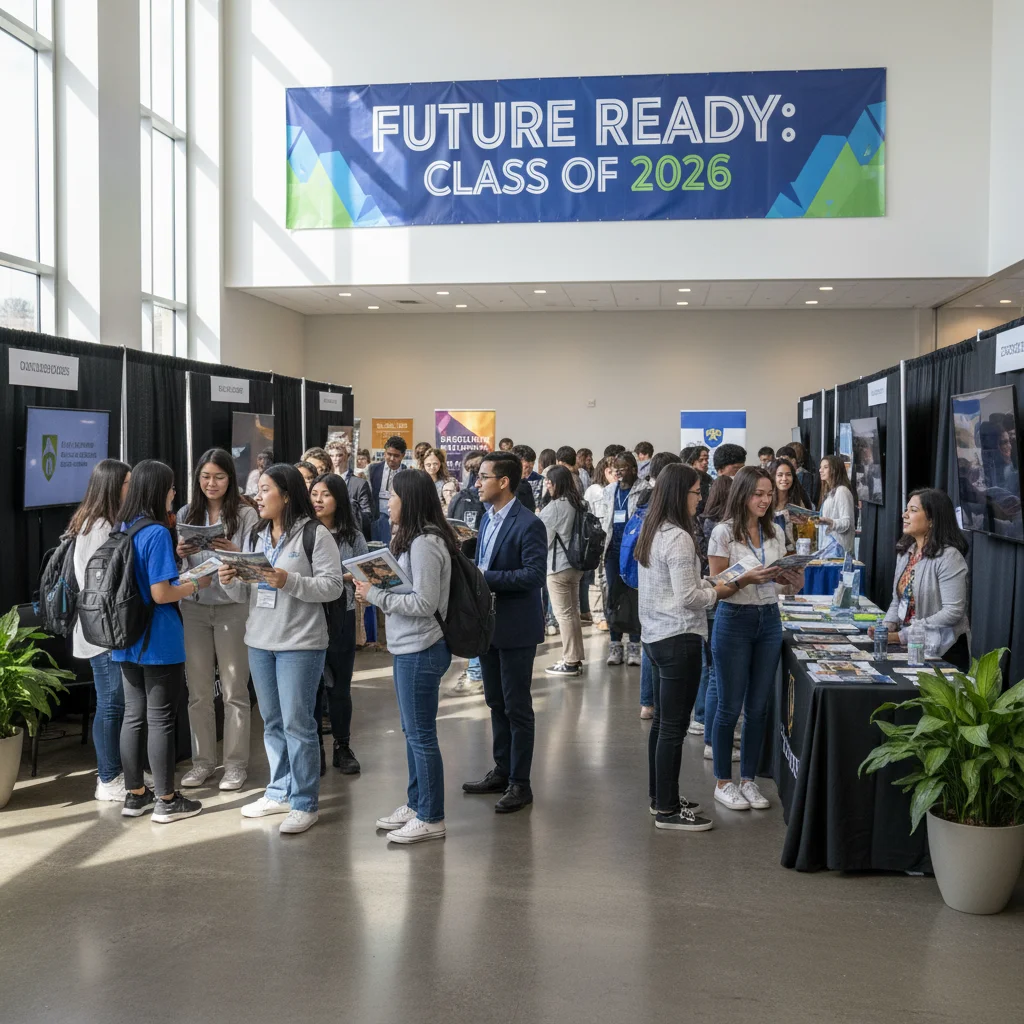
The 2026 college admissions landscape is undergoing significant transformation, primarily influenced by the evolving role of standardized testing, a deeper commitment to holistic application reviews, and crucial changes in financial aid accessibility and structure.
As high school students and their families look ahead to applying for college in 2026, understanding the significant shifts in the admissions process is paramount. The 2026 college admissions landscape is not merely a continuation of past cycles; it’s a dynamic environment shaped by evolving policies, technological advancements, and societal changes. This article delves into the three critical factors that will define this landscape, offering insights to help prospective students navigate their journey successfully.
The Evolving Role of Standardized Testing: Test-Optional and Beyond
Standardized tests like the SAT and ACT have long been cornerstones of college admissions. However, the 2026 cycle is expected to solidify a trend that gained significant momentum during the pandemic: the widespread adoption of test-optional policies. This shift is not just a temporary measure but a fundamental reconsideration of how colleges evaluate applicants’ academic potential and readiness.
Many institutions have found that test scores alone do not always accurately reflect a student’s capabilities or predict their success in higher education. This realization has led to a more nuanced approach, where colleges are increasingly comfortable with students choosing whether or not to submit their scores. For applicants, this means a strategic decision-making process regarding test preparation and submission.
Navigating Test-Optional Policies
Understanding the nuances of test-optional policies is crucial for 2026 applicants. It’s not a blanket ‘no tests needed’ situation but rather an opportunity for students to highlight their strengths in other areas if standardized tests aren’t their strongest suit. Researching individual college policies is essential, as some institutions may still prefer scores or use them for specific programs or merit scholarships.
- Research Specific College Policies: Verify each institution’s stance on standardized tests for the 2026 cycle.
- Evaluate Your Scores Honestly: Compare your scores to the average accepted scores at your target schools.
- Consider Score Submission Strategically: Submit scores only if they strengthen your application and align with the college’s expectations.
The Rise of Test-Blind and Test-Preferred
Beyond test-optional, some universities are moving towards test-blind policies, where scores are not considered at all, even if submitted. Conversely, a few institutions might be test-preferred, subtly signaling a preference for scores while still allowing test-optional applications. This diverse landscape requires careful planning and a deep understanding of each college’s admissions philosophy. The move away from mandatory testing aims to promote equity and reduce barriers for students from underrepresented backgrounds, allowing admissions committees to focus on a broader range of applicant attributes.
Ultimately, the evolving role of standardized testing in the 2026 college admissions landscape empowers students to present a more comprehensive picture of their abilities. It shifts the focus from a single data point to a more holistic evaluation, encouraging applicants to invest their time and effort into other impactful areas of their application.
The Deepening Emphasis on Holistic Review and Applicant Profile
With standardized tests becoming less universally mandatory, colleges are intensifying their focus on holistic review. This means admissions committees are looking beyond grades and scores to understand the applicant as a whole person, considering their unique experiences, talents, and potential contributions to the campus community. The 2026 college admissions landscape will see an even greater emphasis on an applicant’s personal narrative, extracurricular engagement, and demonstrated character.
Holistic review is designed to create diverse and vibrant student bodies, recognizing that academic success is just one facet of a well-rounded individual. Colleges seek students who will enrich their community, both inside and outside the classroom, and this approach allows them to identify those qualities more effectively.
Crafting a Compelling Personal Narrative
The personal essay, recommendation letters, and supplemental essays will play an even more critical role in conveying an applicant’s unique story. Students should focus on authentic self-expression, demonstrating their passions, challenges overcome, and lessons learned. This is an opportunity to showcase resilience, creativity, and critical thinking skills that might not be evident from transcripts alone.
- Authenticity is Key: Share genuine experiences and reflections that reveal your personality.
- Show, Don’t Just Tell: Use vivid examples to illustrate your qualities and achievements.
- Seek Strong Recommendations: Request letters from teachers and mentors who know you well and can speak to your character and abilities.
Extracurriculars and Impact
Colleges aren’t just looking for a long list of activities; they want to see depth, commitment, and impact. Whether it’s leadership in a club, significant involvement in community service, or a unique personal project, demonstrating genuine engagement and the positive influence you’ve had will be paramount. The quality and depth of engagement in a few activities often outweigh superficial involvement in many.
The holistic review process for the 2026 college admissions landscape encourages students to pursue their genuine interests and develop meaningful experiences. It’s about demonstrating intellectual curiosity, personal growth, and a readiness to contribute positively to a college environment, moving beyond a checklist mentality to a more profound exploration of self and purpose.
Shifting Financial Aid Landscape and Affordability Concerns
The cost of higher education remains a significant concern for many families, and the financial aid landscape for 2026 applicants is also undergoing important changes. These shifts will impact how students and families plan for college expenses and access financial support. Understanding the evolving policies and opportunities for aid is crucial for making informed decisions about college affordability.
Federal and institutional aid programs are continually adjusted, influenced by economic conditions, legislative changes, and institutional priorities. Staying informed about these developments will be key to maximizing financial assistance and minimizing student debt.
FAFSA Simplification and Its Implications
The Free Application for Federal Student Aid (FAFSA) has undergone significant simplification, which aims to make the application process easier and more accessible for families. While the intent is to streamline, these changes also bring new methodologies for calculating financial need, potentially impacting eligibility for federal aid programs like Pell Grants and federal student loans. Applicants and their families will need to familiarize themselves with the updated FAFSA process and its implications for their Expected Family Contribution (EFC), now termed the Student Aid Index (SAI).

Institutional Aid and Merit Scholarships
Beyond federal aid, institutional grants and merit scholarships will continue to be vital components of a financial aid package. Colleges often use these funds to attract desired students and to support their institutional diversity goals. Students with strong academic profiles, unique talents, or significant leadership experience may be strong candidates for merit-based aid. However, the availability and criteria for these scholarships can vary significantly from one institution to another.
- Explore Institutional Websites: Look for specific scholarship opportunities offered directly by colleges.
- Understand Scholarship Criteria: Tailor your application to highlight strengths relevant to scholarship requirements.
- Consider Early Application: Some merit scholarships have early deadlines, so plan accordingly.
The Role of State and Private Scholarships
State-specific aid programs and a multitude of private scholarships offered by foundations, corporations, and community organizations also form a crucial part of the financial aid puzzle. Researching and applying for these external scholarships can significantly reduce the overall cost of attendance. The 2026 college admissions landscape demands proactive engagement with all avenues of financial support.
Navigating the financial aid landscape for 2026 requires diligence and early planning. Families should actively seek information, understand the new FAFSA guidelines, and explore all available institutional, state, and private scholarship opportunities to ensure college remains an affordable and achievable goal.
The Growing Importance of Demonstrated Interest
In the competitive 2026 college admissions landscape, demonstrated interest is gaining traction as a subtle yet powerful factor. Colleges, particularly private institutions, closely track how engaged an applicant is with their school. This isn’t just about showing up for a campus tour; it encompasses a range of interactions that signal a student’s genuine enthusiasm and fit for the institution.
Colleges are keen to admit students who are likely to enroll if accepted, as this helps them manage their yield rates and budget. A student who has actively engaged with the college is often seen as a stronger candidate for enrollment. This factor can sometimes tip the scales for an applicant on the borderline.
Meaningful Interactions and Engagement
Demonstrated interest can manifest in various ways, from attending virtual information sessions to emailing admissions counselors with thoughtful questions. It’s about building a relationship with the institution and showing that you’ve done your homework beyond just submitting an application. These interactions provide colleges with a clearer picture of your commitment and how you might thrive within their specific environment.
- Attend Virtual Events: Participate in online info sessions, webinars, and virtual tours.
- Engage with Admissions: Send personalized emails with specific questions, avoiding generic inquiries.
- Connect on Social Media: Follow college admissions accounts and engage thoughtfully.
Campus Visits and Interviews
If possible, an in-person campus visit can be highly impactful, allowing you to experience the college atmosphere firsthand and show your dedication. Similarly, participating in optional interviews, whether in-person or virtual, provides an opportunity to connect with an admissions representative and articulate your reasons for applying beyond what’s written in your essays. These personal touches can make a significant difference in a competitive pool.
Demonstrating genuine interest requires a proactive and thoughtful approach. It’s about more than just checking boxes; it’s about showing colleges that you envision yourself thriving as part of their community. In the 2026 college admissions landscape, this sustained engagement can be a key differentiator.
Preparing for the Application Process: A Strategic Approach
Navigating the 2026 college admissions landscape requires more than just good grades; it demands a strategic and holistic approach to the entire application process. With changes in standardized testing, a heightened focus on personal attributes, and evolving financial aid, students need to be well-prepared and organized. Early planning and a clear understanding of expectations will be crucial for success.
The application journey can feel overwhelming, but breaking it down into manageable steps and leveraging available resources can alleviate stress and improve outcomes. It’s about presenting the best, most authentic version of yourself to admissions committees.
Timeline and Organization
Starting early is perhaps the most important piece of advice. This includes researching colleges, understanding their specific requirements, and mapping out deadlines for applications, essays, recommendations, and financial aid forms. Creating a detailed timeline and using organizational tools can help keep everything on track, preventing last-minute rushes and potential errors.
- Start Research Early: Begin exploring colleges and their admissions criteria in your junior year.
- Create a Master Schedule: Track all deadlines for applications, tests, and financial aid.
- Organize Application Materials: Keep transcripts, essays, and recommendation requests in order.
Seeking Guidance and Support
Students should not hesitate to seek guidance from school counselors, teachers, and mentors. These individuals can provide invaluable advice, help refine essays, and offer insights into specific college programs. Family support is also vital, not only for encouragement but also for navigating the financial aspects of college planning. External resources, such as college planning workshops and reputable online tools, can also be beneficial.
The preparation for the 2026 college admissions landscape is a marathon, not a sprint. By adopting a strategic mindset, staying organized, and seeking support, applicants can confidently approach the process, ensuring their unique strengths and aspirations are effectively communicated to their desired institutions.
Cultivating Skills Beyond Academics for 2026 Admissions
As the 2026 college admissions landscape places a greater emphasis on holistic review, the cultivation of skills beyond traditional academic metrics becomes increasingly vital. Colleges are looking for students who possess a range of soft skills and demonstrate readiness for the complexities of higher education and future careers. These skills often speak to a student’s character, adaptability, and potential for growth within a diverse learning environment.
Developing these non-academic competencies not only strengthens an application but also prepares students for success in college and beyond. It’s about showcasing a well-rounded personality that can contribute meaningfully to a campus community.
Leadership and Collaboration
Colleges highly value students who can lead effectively and collaborate constructively. This doesn’t necessarily mean holding a formal title; it can be demonstrated through initiating projects, mentoring peers, or working effectively in group settings. Examples of problem-solving, conflict resolution, and inspiring others can be powerful additions to an application essay or interview discussion.
- Seek Leadership Opportunities: Take initiative in school clubs, sports, or community projects.
- Highlight Teamwork: Describe experiences where you collaborated successfully to achieve a common goal.
- Show Initiative: Demonstrate how you’ve taken charge or proposed new ideas.
Critical Thinking and Adaptability
In a rapidly changing world, the ability to think critically and adapt to new situations is paramount. Colleges want to see that students can analyze complex information, form independent judgments, and adjust their approaches when faced with new challenges. This can be showcased through participation in debate, advanced research projects, or even how a student overcame an unexpected obstacle.
Cultivating skills beyond academics is an investment in personal development that pays dividends far beyond the college application process. For the 2026 college admissions landscape, these competencies are not just supplementary; they are integral to presenting a compelling and competitive applicant profile, demonstrating readiness for both academic rigor and community engagement.
| Key Factor | Brief Description |
|---|---|
| Test-Optional Policies | Standardized tests are less mandatory, requiring strategic score submission and research of individual college policies. |
| Holistic Review | Colleges evaluate applicants as whole individuals, emphasizing essays, extracurriculars, character, and personal narrative. |
| Financial Aid Shifts | Changes to FAFSA, institutional aid, and scholarships impact affordability; proactive research is essential. |
| Demonstrated Interest | Applicant engagement with colleges through visits, virtual events, and communication can significantly influence admission decisions. |
Frequently Asked Questions About 2026 College Admissions
While many colleges will maintain test-optional policies, it’s crucial to check each institution’s specific requirements. Some may revert to requiring scores, others might be test-blind, and some could prefer scores for specific programs or scholarships. Research is key.
Focus on crafting compelling essays that highlight your unique personality, experiences, and growth. Demonstrate genuine passion and impact through your extracurricular activities, and seek strong recommendation letters that showcase your character and abilities beyond academics.
The FAFSA has been simplified, impacting how financial need is calculated with the new Student Aid Index (SAI). Families should familiarize themselves with these changes to understand their eligibility for federal, institutional, and state aid. Early application is often beneficial.
Yes, for many institutions, especially private ones, demonstrated interest can be a significant factor. Engaging with colleges through campus visits, virtual events, emails to admissions, and thoughtful social media interaction signals your genuine enthusiasm and fit for the school.
Cultivate leadership, collaboration, critical thinking, problem-solving, and adaptability. Colleges seek students who can contribute to a vibrant campus community, demonstrating these skills through various activities and experiences, not just formal titles.
Conclusion
The 2026 college admissions landscape is characterized by dynamic shifts that emphasize a more nuanced and comprehensive evaluation of applicants. From the evolving role of standardized testing to the deepening commitment to holistic review and the changing financial aid environment, prospective students must approach the application process with strategic foresight and thorough preparation. By understanding these critical factors and focusing on authentic self-presentation, demonstrated interest, and the cultivation of diverse skills, applicants can confidently navigate this intricate journey and position themselves for success in securing admission to their desired institutions.