Emergency relief: quick assistance for those in need
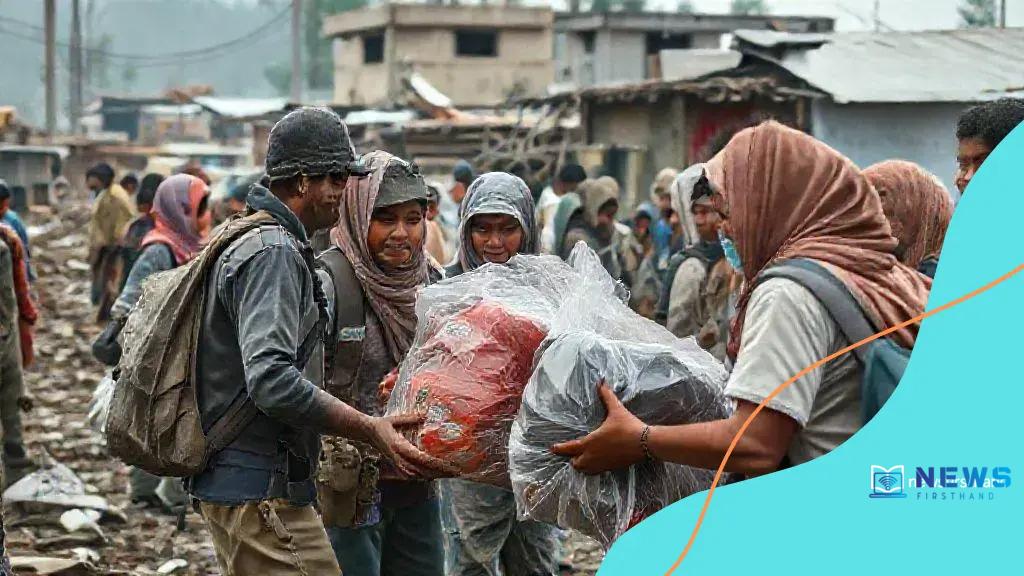
Emergency relief initiatives focus on providing rapid assistance during crises by leveraging technology, engaging communities, promoting sustainability, and enhancing international collaboration to effectively support those in need.
Emergency relief plays a crucial role in responding to crises, helping communities recover in times of desperation. Have you ever wondered how assistance is mobilized so rapidly? In this article, we will delve into the mechanisms behind these vital efforts.
Understanding emergency relief programs
Emergency relief programs are vital for helping communities in crisis. These programs provide immediate assistance to individuals affected by disaster or emergencies. Understanding how they function is essential for anyone interested in supporting these life-saving efforts.
What are emergency relief programs?
Emergency relief programs are organized efforts designed to provide aid quickly when disasters strike. They often include food distribution, shelter provisions, and medical assistance. These programs ensure that basic needs are met during difficult times, allowing individuals and families to regain their stability.
Key components of successful relief programs
Effective emergency relief programs share certain common traits that enable them to operate smoothly. These traits include:
- Rapid response: Quick mobilization of resources is crucial.
- Collaboration: Working together with local organizations improves effectiveness.
- Flexibility: Adapting to the specific needs of a community leads to better outcomes.
- Community involvement: Engaging locals helps ensure that aid is relevant and appreciated.
These components must work together to create a streamlined process for delivering assistance. For example, a program that coordinates with local groups can adjust its strategies based on real-time feedback from those it serves.
Furthermore, training volunteers and responders is another critical aspect of successful emergency relief. Well-prepared teams can assess needs promptly and implement aid more efficiently. This training often includes logistical planning and crisis communication to enhance the overall response.
Importance of emergency relief initiatives
Emergency relief initiatives play an essential role in saving lives and restoring hope. When disasters occur, immediate support boosts morale and helps individuals cope with their circumstances. Furthermore, these initiatives can lay the groundwork for long-term recovery efforts.
Ultimately, understanding emergency relief programs enables us to appreciate the work behind the scenes. Those engaged in providing assistance often work tirelessly in challenging conditions to help communities heal. By raising awareness and supporting these programs, we can all contribute to making a difference.
Key players in emergency relief efforts
Understanding the key players in emergency relief efforts can help us appreciate the complexity of these vital programs. Many organizations and individuals contribute to the success of relief initiatives, each playing a specific role in delivering aid when it is most needed.
Types of organizations involved
Emergency relief is not a solo effort. Numerous types of organizations contribute, including:
- Non-governmental organizations (NGOs): These groups specialize in providing humanitarian assistance. Examples include the Red Cross and Doctors Without Borders.
- Government agencies: Local, state, and federal agencies often spearhead response efforts by mobilizing resources and funding.
- International organizations: Entities like the United Nations coordinate global responses and help unify efforts across borders.
Each of these organizations brings unique strengths to the table, allowing them to work together effectively. Their collaboration ensures that essential resources are delivered swiftly and efficiently to those affected by disasters.
The role of volunteers
Volunteers form the backbone of many relief efforts. These dedicated individuals often step up to provide hands-on support in times of need. From distributing food to offering medical care, volunteers contribute greatly to humanitarian work. They help to:
- Enhance local response: Volunteers know their communities and can assist in ways outsiders may not understand.
- Boost morale: Having fellow community members actively participating offers hope and encouragement to those affected.
- Expand capacity: Volunteers increase the workforce, allowing organizations to serve more people.
The presence and efforts of volunteers can turn the tide during difficult times. Their willingness to help often exemplifies the spirit of resilience within communities.
Partnerships and collaboration
Partnerships between various players are crucial for success in emergency relief efforts. By sharing resources, knowledge, and expertise, organizations can enhance their impact. This collaboration may involve:
- Resource sharing: Organizations pooling supplies and services allows for a broader reach.
- Joint training exercises: Practicing together ensures readiness when crises arise.
- Cross-promotion of initiatives: Co-hosting events or campaigns raises awareness and support.
These dynamic relationships enable a collective response that is often faster and more effective than individual efforts. By working together, emergency relief players can adapt to new challenges with agility and efficiency.
How to get involved in emergency relief
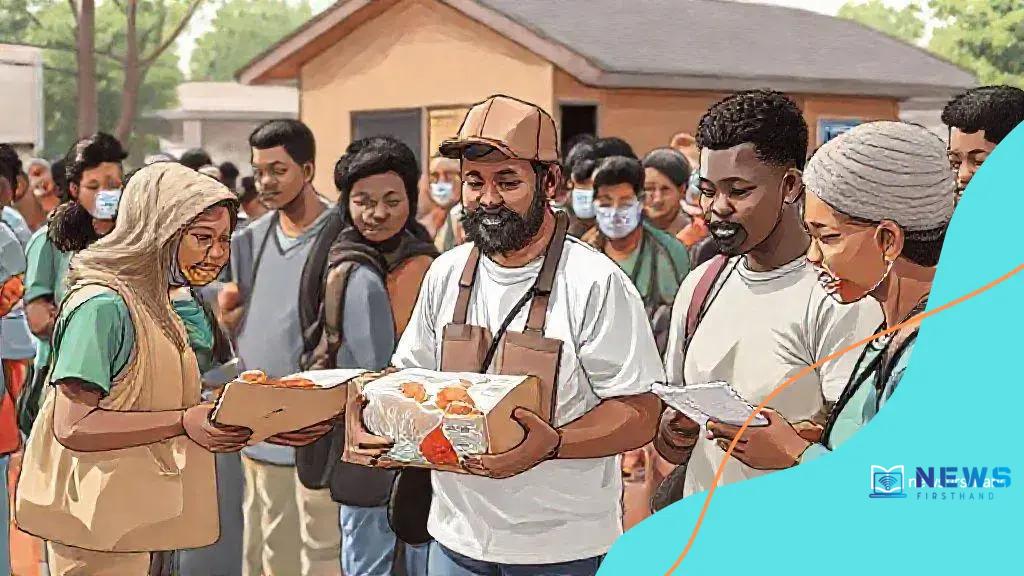
Getting involved in emergency relief efforts can be both fulfilling and impactful. There are many ways individuals can contribute to humanitarian responses, regardless of their time or resources. Understanding how to engage in these efforts is essential for making a real difference.
Volunteering your time
One of the most direct ways to help is by volunteering with organizations focused on disaster response. Many local and international NGOs seek volunteers for various roles. By volunteering, you can:
- Assist in relief distribution: Help organize and distribute food and medical supplies to affected areas.
- Provide logistical support: Work behind the scenes to manage operations and ensure smooth functioning.
- Offer specialized skills: If you have expertise in areas like healthcare, teaching, or emergency response, your skills can greatly enhance relief efforts.
Volunteering not only provides critical help but also fosters a sense of community among those working for a shared purpose.
Donating resources
If direct involvement isn’t feasible, donating funds or supplies can still make a substantial impact. Many organizations rely on donations to fund their crucial activities. Consider:
- Financial contributions: Monetary donations can be used flexibly where they are most needed.
- Goods donations: Providing non-perishable food, clothing, and hygiene products can help meet immediate needs.
- Fundraising: Organizing fundraising events can amplify your contribution and encourage others to participate.
Your financial and material support plays a key role in sustaining emergency relief efforts. When people contribute in various forms, it strengthens the response capability during crises.
Raising awareness
Spreading awareness about emergency relief initiatives is essential for mobilizing broader support. By sharing information, you can:
- Engage your community: Help your neighbors understand how they can also contribute.
- Share success stories: Highlighting successful efforts can motivate others to join.
- Use social media: Utilize platforms to spread the word about ongoing relief efforts and campaigns.
Raising awareness helps build momentum and can inspire collective action, bringing more people into the fold of supporting emergency relief efforts.
Participating in training
Many organizations offer training for those interested in emergency relief work. Training programs can prepare you to respond effectively during a crisis. Look for opportunities to:
- Learn first aid: Skills in first aid can be life-saving in emergency situations.
- Understand disaster response: Learn about the logistics and management involved in relief efforts.
- Join workshops: Participate in workshops that focus on topics relevant to emergency response.
Training enhances your readiness and equips you with the necessary skills to make an effective contribution during emergencies.
Challenges faced by relief organizations
Relief organizations play a critical role in providing support during crises, but they also face many challenges. Understanding these challenges can help improve the effectiveness of their responses and support systems.
Resource limitations
One significant challenge is often related to resource limitations. Many organizations operate on tight budgets, making it difficult to secure necessary supplies. These limitations can lead to:
- Insufficient funding: Constantly changing donation levels can create financial insecurity.
- Shortages of essential goods: Supplies like food, water, and medical aid may not be available in adequate amounts.
- Inability to scale up operations: Without extra funds, organizations may struggle to expand their efforts in times of increased need.
These resource challenges significantly impact how quickly and effectively organizations can respond to emergencies.
Logistical issues
Logistics is another critical area where relief organizations encounter obstacles. Coordinating the movement of supplies and personnel can be complicated, especially in areas that are hard to access. Common logistical challenges include:
- Transportation difficulties: Poor infrastructure can hinder the delivery of aid.
- Distribution inefficiencies: Organizing the distribution of supplies can lead to delays in getting help to those who need it.
- Communication breakdowns: Miscommunication can result in duplicated efforts or unfulfilled needs.
Logistical issues create delays that can compound the hardships faced by affected individuals and communities.
Staffing challenges
Relief organizations often experience staffing challenges that hinder their effectiveness. These can include difficulty in retaining skilled workers and volunteers. Specific staffing challenges include:
- High turnover rates: Frequent departures of staff due to burnout or job instability can disrupt operations.
- Lack of trained professionals: Many organizations struggle to find individuals with specialized skills in emergency management.
- Volunteer management: Coordinating a large number of volunteers can be overwhelming, especially when training is needed.
Having a stable, skilled workforce is crucial for successful relief efforts, but staffing challenges can severely limit capabilities.
Cultural and social dynamics
Cultural understanding and social dynamics also present significant challenges. Relief organizations must navigate the local context to apply effective solutions. Challenges may include:
- Language barriers: In diverse communities, effective communication is essential to ensure aid is delivered appropriately.
- Local customs and practices: Understanding the needs and beliefs of the community is key for gaining trust and cooperation.
- Resistance to outside help: Some communities may be hesitant to accept aid due to previous negative experiences.
Addressing these social dynamics is crucial for ensuring that relief efforts are welcomed and effective. Without empathy and understanding, organizations may struggle to gain community support.
The future of emergency relief initiatives
The future of emergency relief initiatives is evolving rapidly due to advancements in technology and changing global needs. As the world faces more frequent disasters, it is crucial to adapt and innovate in how we provide assistance.
Technological advancements
One significant factor shaping the future of emergency relief is technology. Innovations in technology enable more efficient responses and better resource management. For instance:
- Mobile applications: Apps can facilitate real-time communication between relief organizations and affected individuals, ensuring they get immediate help.
- Data analytics: Big data can help predict disaster impacts and optimize resource allocation.
- Drones: Unmanned aerial vehicles can deliver supplies to remote and inaccessible areas rapidly.
By leveraging these tools, organizations can respond more effectively and reach those in need faster.
Community involvement
Another vital aspect of the future of emergency relief is increasing community involvement. Local communities play a key role in creating effective solutions. Engaging communities brings numerous benefits, such as:
- Better understanding of needs: Local residents can provide insights into their actual challenges during a crisis.
- Building trust: Close collaboration fosters trust between organizations and the community, encouraging cooperation.
- Empowering individuals: Involving locals in relief efforts helps build resilience and capacity for future challenges.
As communities take on more responsibility, they become active participants in their recovery journeys.
Focus on sustainability
In addition, there will be a growing focus on sustainability in emergency relief initiatives. As organizations strive to reduce environmental impacts, they will implement practices such as:
- Using renewable resources: Incorporating solar and wind energy into relief efforts can minimize environmental footprints.
- Reducing waste: Efforts will focus on recycling and reusing materials in disaster response.
- Long-term recovery plans: Initiatives will shift towards helping communities rebuild sustainably after disasters.
Focusing on sustainability ensures that relief efforts do not compromise the environment or future generations’ needs.
International collaboration
The future of emergency relief also demands stronger international collaboration. As disasters become more complex, global partnerships can enhance the overall response. This collaboration could involve:
- Sharing knowledge: Countries can learn from each other when facing similar challenges.
- Pooling resources: Combining financial and material support can lead to more effective aid distribution.
- Coordinating responses: Joint efforts can prevent duplication of services and integrate relief efforts.
By working together internationally, organizations can enhance their capabilities and address crises more comprehensively.
FAQ – Frequently Asked Questions about Emergency Relief Initiatives
What role does technology play in emergency relief efforts?
Technology enhances response efficiency through real-time communication, data analytics, and faster resource delivery.
How can communities get involved in relief initiatives?
Communities can volunteer, provide feedback on needs, and collaborate with organizations for effective solutions.
Why is sustainability important in emergency relief?
Sustainability ensures that relief efforts do not harm the environment and supports long-term recovery goals.
How does international collaboration benefit emergency relief efforts?
International collaboration allows for resource sharing, knowledge exchange, and coordinated responses to crises.