Dual enrollment: unlock college courses while in high school

Dual enrollment allows high school students to take college courses, earning college credits early while gaining valuable experience, ultimately enhancing their academic readiness and reducing future tuition costs.
Dual enrollment programs are changing the educational landscape for high school students. Have you ever wondered how you can get ahead in college while still in high school? This article dives into the unique advantages of dual enrollment.
What is dual enrollment?
Have you ever heard of dual enrollment? It’s a program that allows high school students to take college courses while still completing their high school education. This opportunity can give students a head start on their college journey and help them earn valuable credits.
Understanding Dual Enrollment
So, what does dual enrollment really mean? In essence, it means that high school students are enrolled in both high school and a college or university. This lets them experience college courses without having to wait until they graduate.
Benefits of Dual Enrollment Programs
- Earn college credits that can transfer to your future college.
- Experience the rigor of college courses early.
- Enhance your college application and resume.
- Save money on tuition by taking courses for free or at a reduced rate.
Students in dual enrollment programs can discover their interests more deeply. Not only do they engage with advanced materials, but they also begin to grasp the responsibilities of college life. Many find this experience exciting and challenging, which can be quite rewarding.
Participation in dual enrollment also allows students to meet a diverse group of peers. They find themselves in classrooms with both young adults and other high school students, creating a unique learning environment. This interaction can make the transition to college smoother and more enjoyable.
Dual enrollment can lead to enhanced academic skills, such as time management and study habits that are beneficial long after high school. With the knowledge and experience gained, students are better prepared to succeed in their future college endeavors.
Benefits of dual enrollment programs
The benefits of dual enrollment programs are exciting for many high school students. These programs not only help students earn college credits early but also offer several advantages that can enhance their educational experience.
Academic Advantages
Participating in dual enrollment allows students to take challenging courses. This exposure helps them develop critical thinking skills and prepares them for more advanced studies in college.
Cost Savings
- Many dual enrollment programs offer courses at little to no cost to students.
- Students can save money on future tuition fees by earning credits early.
- Completing college courses while still in high school may reduce the overall time needed to earn a degree.
Students engaged in dual enrollment programs also build strong relationships with college professors. This connection can lead to valuable mentorship and guidance as they navigate their academic paths. Many find that these relationships foster a greater sense of belonging in a college environment.
An additional benefit is the opportunity to explore various fields of study. Students can try courses in subjects they might not have considered before, which may ignite a passion for a specific major. This pathway can lead to more informed decisions about their future.
Furthermore, dual enrollment can enhance a student’s college application. Colleges often look favorably upon students who have challenged themselves with college-level coursework while still in high school.
Eligibility criteria for dual enrollment
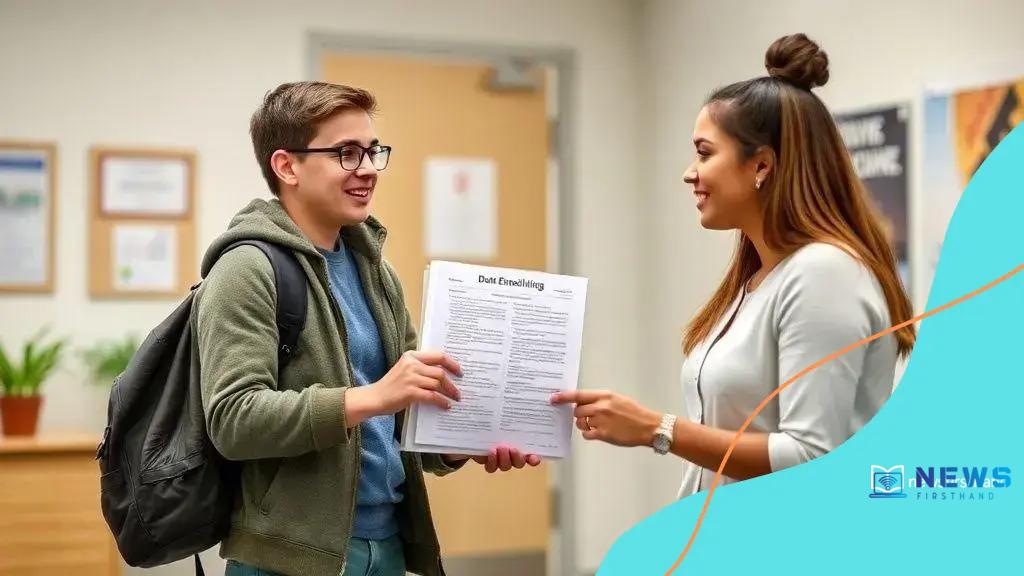
Understanding the eligibility criteria for dual enrollment is essential for high school students who want to take advantage of this opportunity. Different programs may have unique requirements, but there are common criteria that most institutions follow.
General Requirements
Typically, students must be in their sophomore, junior, or senior year of high school. This ensures that they are mature enough to handle college-level coursework. Additionally, students often need to maintain a certain GPA, usually around 2.5 or higher, to qualify.
Standardized Testing
Some programs require students to take standardized tests, such as the SAT or ACT, to demonstrate their readiness for college-level classes. These scores help schools evaluate whether students have the skills necessary to succeed.
Recommendations and Applications
- Students might need a recommendation from a school counselor or teacher.
- Proper application forms must be completed, including any required essays or statements.
- Some schools may require interviews with program coordinators.
In addition to academic criteria, students should also consider their personal commitment to the program. Balancing dual enrollment courses with high school responsibilities and extracurricular activities can be challenging. It’s essential for students to reflect on their time management skills and readiness to take on this responsibility.
Understanding these eligibility criteria helps students prepare better for the application process. With proper planning and support, students can successfully join dual enrollment programs and take advantage of the benefits they offer.
How to apply for dual enrollment
Applying for dual enrollment is an exciting step for high school students looking to jumpstart their college education. The application process can vary by school, but there are common steps that most students should follow.
Researching Programs
Start by researching local colleges and universities that offer dual enrollment programs. Check each institution’s website for information about their specific offerings and requirements. This is important as each school may have different courses and standards.
Gathering Necessary Documents
- Prepare your high school transcripts to show your academic performance.
- Collect standardized test scores, like SAT or ACT, if required.
- Get a letter of recommendation from a teacher or counselor.
Your next step is to fill out the application form, which sometimes includes an essay or statement of purpose. Make sure to highlight your interest in the program and your academic strengths. It’s also a good idea to ask for help from a counselor during this process.
Meeting Deadlines
Be aware of application deadlines for each program you wish to apply to. Missing a deadline can prevent you from participating in the upcoming semester. Make a checklist to track each deadline and ensure that all materials are submitted on time.
Once submitted, prepare for any interviews or assessments that may be part of the selection process. This is your chance to demonstrate your enthusiasm for dual enrollment and your readiness for college-level courses.
By following these steps and maintaining good communication with guidance counselors, students can navigate the application process smoothly and successfully enroll in dual enrollment programs.
Success stories of dual enrollment students
Success stories of dual enrollment students highlight the benefits and opportunities that come from participating in these programs. Many students have found that taking college courses while in high school not only boosts their confidence but also sets the stage for their future.
Academic Achievements
One remarkable example is Sarah, a high school senior who enrolled in a dual enrollment program during her junior year. She took courses in psychology and calculus, which sparked her interest in studying psychology at the university level. After completing the program, Sarah graduated with enough credits to enter college as a sophomore.
Financial Advantages
Another student, Alex, was able to save thousands of dollars in tuition fees by participating in dual enrollment. He took advantage of free courses offered by a local community college. This experience not only reduced his future college debt but also allowed him to focus on an internship during his first year.
Personal Growth
- Dual enrollment helps students build independence and time management skills.
- Many students report feeling more prepared for the demands of college life.
- These experiences often lead to improved self-esteem and motivation.
Jessica, a dual enrollment student, shares how her experiences prepared her for college challenges. She learned to balance multiple responsibilities while maintaining her grades. This journey not only cemented her academic goals but also helped her develop essential life skills.
Success stories like those of Sarah, Alex, and Jessica demonstrate the transformative power of dual enrollment. They reflect how these programs can empower students to pursue their dreams and achieve their goals in both academic and personal realms.
FAQ – Frequently Asked Questions about Dual Enrollment Programs
What is dual enrollment?
Dual enrollment allows high school students to take college courses and earn credits before graduating from high school.
What are the benefits of dual enrollment programs?
Benefits include earning college credits early, cost savings on tuition, and gaining valuable college experience.
What are the eligibility requirements for dual enrollment?
Students typically need to be in their sophomore, junior, or senior year, have a minimum GPA, and may need to submit standardized test scores.
How can students apply for dual enrollment?
To apply, students should research programs, gather necessary documents, fill out application forms, and meet submission deadlines.