Energy crisis: how to navigate the challenges ahead
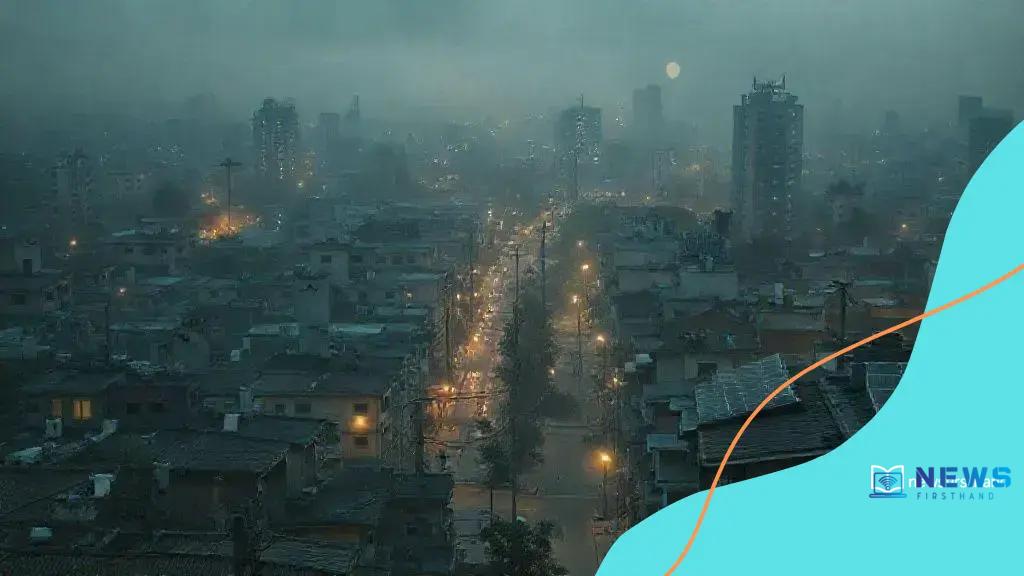
The energy crisis is largely driven by geopolitical tensions, rising demand, and infrastructure issues, making renewable energy essential for sustainable solutions and government policies crucial for guiding the transition.
Energy crisis is a pressing issue that affects us all, from rising costs to energy shortages. You might wonder how this impacts your life and what steps can be taken. Let’s dive into the complexities of the situation and discover actionable solutions.
Understanding the causes of the energy crisis
The energy crisis we face today stems from a combination of factors. Understanding these causes is key to finding solutions. Many people are affected by the rising costs and shortages, which can lead to difficult situations in their daily lives.
Key Factors Behind the Energy Crisis
Several elements have contributed to the current energy crisis. Some of the most significant include:
- Geopolitical tensions: Conflicts in energy-rich regions can disrupt supply chains.
- Increased demand: As economies grow, the need for energy rises considerably.
- Infrastructure limitations: Aging energy infrastructure can lead to inefficiencies and losses in production.
- Environmental policies: While necessary, stringent regulations can sometimes hinder energy production.
Each of these causes links back to the broader implications for society. Higher energy prices come from supply and demand imbalances, while infrastructure challenges can limit access to reliable energy. For many, these issues can provoke anxiety over future availability.
Moreover, renewable energy sources are frequently viewed as solutions. However, the transition to these alternatives takes time and investment. Many regions are still dependent on fossil fuels to meet their energy needs, complicating the shift.
Economic Consequences
The economic impact of the energy crisis is far-reaching. As prices soar, consumers often tighten their budgets, leading to reductions in spending on other goods and services. This can slow economic growth and create a cycle of hardship.
Energy-efficient technologies can help mitigate these issues. By adopting smarter energy solutions, people can reduce their energy consumption. This shift is vital not only for cutting costs but also for contributing to a more sustainable future.
Impact of energy shortages on daily life
Energy shortages can disrupt our daily lives in numerous ways. When we talk about the impact of energy shortages, it’s essential to recognize how it affects individuals and communities alike. Many people do not realize that these shortages can lead to more than just inconvenience; they have far-reaching consequences.
Daily Life Changes
One of the most obvious effects of energy shortages is the increase in utility costs. As demand rises and supply decreases, people often find themselves paying more for the energy they consume. Additionally, scheduled outages can interrupt usual routines, forcing families to adjust their habits.
- Heating and Cooling: During extreme weather, energy shortages can lead to inadequate heating in winter or cooling in summer.
- Reduced Productivity: Businesses may struggle to operate at full capacity, impacting the economy.
- Transportation: Fuel shortages can increase commuting time and costs.
- Food and Medicine: There can be disruptions in food preservation and medical care due to power outages.
In many regions, education systems also feel the pinch. Schools may have to limit operating hours or close altogether during energy crises. In these cases, students miss valuable learning opportunities. Furthermore, parents face challenges in balancing work and childcare when schools are not functioning normally.
Moreover, communities often come together during these times to support each other. Neighbors share resources and information, creating a sense of solidarity. However, it’s crucial to understand that while community support can help, it does not fully alleviate the challenges faced by those affected by energy shortages.
Innovative solutions to combat the crisis
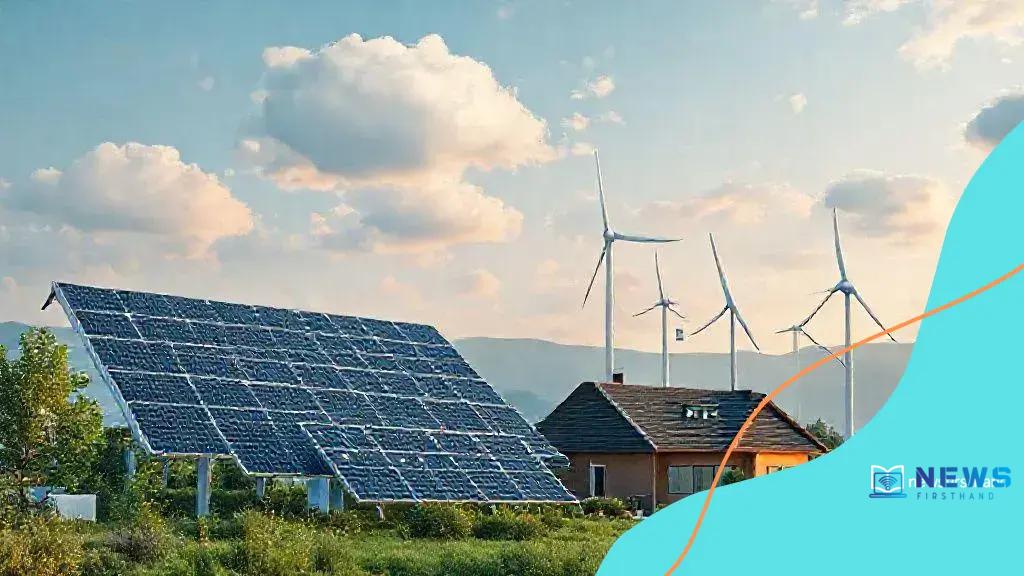
To tackle the ongoing energy crisis, innovative solutions are crucial. Many experts and innovators are working tirelessly to find ways to mitigate the impact of energy shortages. These solutions not only help stabilize energy supplies but also offer long-term benefits for sustainability.
Adoption of Renewable Energy
One of the most promising strategies involves a greater focus on renewable energy sources. Solar, wind, and geothermal energy are becoming increasingly viable options for both individuals and businesses. Transitioning to these alternatives can provide numerous benefits, including:
- Reduced dependency: Relying less on fossil fuels leads to a more stable energy supply.
- Cost savings: Over time, renewable energy can lower monthly energy bills.
- Environmental benefits: Cleaner energy sources help reduce greenhouse gas emissions.
- Job creation: The renewable energy sector is rapidly growing, creating new jobs in various fields.
As many communities embrace renewable energy, they not only enhance their energy security but also contribute to a more sustainable future.
Energy Efficiency Technologies
Another vital approach to combating the energy crisis involves investing in energy-efficient technologies. By using devices that consume less power, households and businesses can significantly cut their energy usage. Some of the most effective technologies include:
- Smart thermostats: These devices adjust heating and cooling based on user behavior.
- LED lighting: Switching from incandescent bulbs to LED can reduce energy consumption for lighting.
- Energy-efficient appliances: Using appliances with high energy ratings can lead to lower energy bills.
Incorporating these technologies creates an immediate impact on energy usage and helps individuals and communities adapt to rising costs.
Lastly, improving grid technologies also plays a crucial role. Smart grids help manage energy distribution more efficiently, balancing supply and demand better. This advancement ensures that energy is used where it is needed most, reducing waste and increasing reliability.
The role of renewable energy in recovery
The role of renewable energy in recovery from the energy crisis cannot be overstated. As conventional energy sources become less reliable and more expensive, societies are increasingly looking to alternatives like solar, wind, and hydropower. These clean energy options not only provide electricity but also help us reduce environmental impacts.
Benefits of Renewable Energy
Investing in renewable energy brings multiple advantages. For individuals and communities, the transition can lead to significant savings and energy independence. Here are some vital benefits:
- Lower emissions: Renewable energy sources help cut down on greenhouse gases, mitigating climate change.
- Sustaining jobs: The renewable energy sector continues to create new job opportunities in manufacturing and installation.
- Energy security: These resources help reduce dependency on imported fossil fuels, increasing energy resilience.
- Cost-effectiveness: Over time, renewables can be cheaper than traditional energy sources due to lower operational costs.
The integration of renewable energy sources into the grid also supports local economies. Communities can take control of their energy supply, allowing for more resilient infrastructure. Grassroots initiatives often occur where residents install solar panels or wind turbines, promoting a sense of ownership and responsibility.
Examples of Implementation
Many countries are implementing innovative renewable energy projects to aid recovery. Some options include solar microgrids in remote areas and offshore wind farms that generate power for urban centers. Additionally, technological advancements in energy storage are making it easier to harness renewable energy.
As these technologies improve, more households can depend on clean energy. For example, battery systems allow individuals to store energy for later use, making solar energy more accessible and reliable. This advancement is crucial in promoting a sustainable energy future.
Government policies and their effects on the energy landscape
Government policies play a crucial role in shaping the energy landscape. They can promote or hinder the development of energy sources, as well as influence consumer behavior and industry practices. Understanding these effects helps individuals see how policy decisions impact everyday life.
Types of Energy Policies
Various policies are designed to boost renewable energy use and reduce dependency on fossil fuels. Some significant types include:
- Subsidies: Financial incentives for renewable energy projects help reduce initial costs.
- Tax credits: Tax benefits for homeowners or businesses that invest in solar panels or energy-efficient appliances can encourage adoption.
- Regulations: Standards to limit emissions push industries toward cleaner energy sources.
- Research and development funding: Investments in new technologies can lead to breakthroughs in energy efficiency and production.
These policies aim to create a sustainable energy future and reduce greenhouse gas emissions. However, their implementation varies significantly across regions, leading to different outcomes.
Impact on Consumer Behavior
Government policies also shape how consumers think about and use energy. Educational campaigns can encourage energy conservation and efficient practices. When people see government backing renewable options, they may feel more inclined to make sustainable choices themselves.
Moreover, as policies shift, consumers are likely to adjust their energy sources. For example, when incentives for solar power become available, homeowners might invest in solar panels. This transition not only helps reduce energy costs but also leads to greater energy independence.
Ultimately, effective government policies can guide society toward the adoption of cleaner energy sources while promoting responsible consumption. It’s a dynamic process that requires collaboration between the government, industries, and the public.
FAQ – Frequently Asked Questions about the Energy Crisis
What are the main causes of the energy crisis?
The energy crisis is primarily caused by geopolitical tensions, increased demand for energy, infrastructure limitations, and environmental policies.
How can renewable energy help during an energy crisis?
Renewable energy sources, like solar and wind, reduce dependency on fossil fuels, lower emissions, and can be developed at local levels to enhance energy security.
What role do government policies play in the energy landscape?
Government policies can promote renewable energy through subsidies and tax credits, as well as establish regulations that encourage energy efficiency.
How can consumers adjust to energy shortages?
Consumers can adjust by adopting energy-efficient technologies, conserving energy usage, and exploring renewable energy options for their homes.