Energy Assistance Programs 2026: Federal Benefits Guide

Federal energy assistance programs in 2026 provide crucial financial aid to low-income households, helping them afford heating and cooling costs and avoid utility disconnections during challenging periods.
As winter approaches, many households across the United States begin to feel the pinch of rising utility costs. Understanding the available support can make a significant difference. Energy Assistance Programs in 2026: Federal Benefits to Help Lower Your Utility Bills This Winter are designed precisely for this purpose, offering a lifeline to those struggling to keep their homes warm and safe.
Understanding federal energy assistance programs
Federal energy assistance programs are crucial initiatives aimed at helping low-income individuals and families manage their energy costs. These programs are primarily funded by the federal government but administered at the state and local levels, ensuring that assistance reaches those who need it most within their specific communities.
The primary goal of these programs is to prevent energy crises, especially during extreme weather conditions, by providing financial aid for heating and cooling. This support is not just about keeping homes comfortable; it’s about safeguarding health, particularly for vulnerable populations such as the elderly, young children, and individuals with chronic health conditions.
The Low Income Home Energy Assistance Program (LIHEAP)
The cornerstone of federal energy assistance is the Low Income Home Energy Assistance Program, widely known as LIHEAP. This program offers a variety of benefits designed to address different energy-related needs.
- Heating Assistance: Helps cover the cost of heating bills during the cold months, which is often the most significant energy expense for many households.
- Cooling Assistance: Provides aid for air conditioning costs in regions where extreme heat poses health risks, a critical component often overlooked.
- Crisis Assistance: Offers immediate help to households facing energy emergencies, such as a utility shut-off notice or a broken heating system.
- Weatherization and Energy-Related Home Repairs: Funds can also be used for minor home repairs that improve energy efficiency, reducing long-term costs.
LIHEAP’s flexibility allows states and tribal organizations to tailor their programs to meet local needs, meaning the specific services and eligibility criteria can vary slightly from one location to another. This localized approach ensures that the aid is both relevant and effective for the communities it serves.
In essence, federal energy assistance programs serve as a vital safety net, ensuring that no household has to choose between paying for essential utilities and other basic necessities. They represent a commitment to public welfare and offer tangible relief during financially challenging times.
Eligibility criteria for 2026 federal energy benefits
Determining eligibility for federal energy assistance programs in 2026 involves several key factors, primarily focusing on household income, size, and sometimes specific vulnerabilities. These criteria are set to ensure that aid is directed to those who genuinely need it to maintain a safe and healthy living environment.
The most significant factor is household income relative to the federal poverty guidelines or the state’s median income. While specific thresholds can vary by state and program, applicants generally need to demonstrate that their income falls within a certain percentage of these benchmarks. This ensures that the assistance targets low-income families and individuals.
Income thresholds and household size
For LIHEAP, income eligibility is typically based on federal poverty guidelines, often set at 150% or 185% of the federal poverty level. However, states have the flexibility to adjust this based on their specific economic conditions and the cost of living.
- Federal Poverty Guidelines: These are updated annually and are a primary reference point for eligibility.
- State Median Income: Some states may use a percentage of the state’s median income, which can sometimes be more generous than federal poverty levels, especially in high-cost-of-living areas.
- Household Composition: The number of people living in your household directly impacts the income threshold. Larger households generally have higher income limits to qualify for assistance.
It is crucial for applicants to check their specific state or local agency’s guidelines, as these can provide the most accurate and up-to-date information on income requirements. These guidelines are usually available on state government websites or through local community action agencies.
Beyond income, other factors might be considered. For instance, households with elderly members, individuals with disabilities, or young children often receive priority or have slightly adjusted eligibility criteria. This prioritization reflects the understanding that these groups are often more vulnerable to the impacts of energy insecurity.
How to apply for energy assistance in 2026
Applying for federal energy assistance programs, such as LIHEAP, requires a clear understanding of the process and the necessary documentation. While the general steps are similar across states, specific requirements and application methods can vary, so it’s essential to consult local resources.
The first step is to identify your local administering agency. These are typically state agencies, tribal organizations, or community action agencies that manage the application process and distribute funds. A quick search online for “LIHEAP + [your state]” or contacting your local social services department can help you find the correct office.
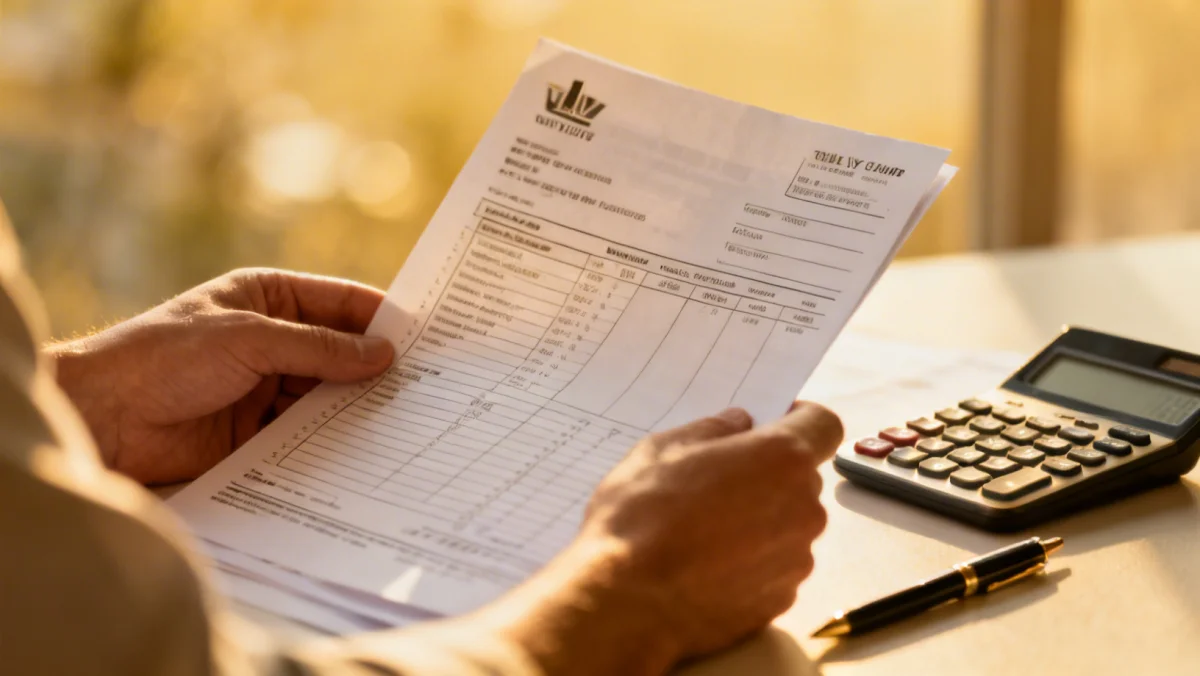
Required documentation and application process
To ensure a smooth application process, gathering all necessary documents beforehand is highly recommended. This typically includes:
- Proof of Income: This could be recent pay stubs, tax returns, Social Security statements, or unemployment benefit letters for all household members.
- Proof of Residency: A lease agreement, mortgage statement, or utility bill showing your current address.
- Utility Bills: Copies of your most recent heating and/or cooling bills, regardless of whether they are past due.
- Identification: Valid photo identification for the primary applicant and possibly other adult household members.
- Social Security Numbers: For all household members.
Once you have your documents, you can typically apply in one of several ways: online through a state portal, by mail, or in person at your local agency. Many agencies also offer assistance with filling out applications, which can be particularly helpful if you have questions or require additional support.
After submitting your application, there will be a review period. The duration can vary depending on the volume of applications and the time of year. If approved, funds are usually paid directly to your utility provider on your behalf. It’s always a good practice to follow up if you haven’t heard back within a reasonable timeframe, as some agencies may require additional information.
Beyond LIHEAP: other federal and state programs
While LIHEAP is the most prominent federal energy assistance program, it is not the only resource available. Several other federal initiatives and numerous state and local programs complement LIHEAP, offering a broader range of support for energy costs and efficiency improvements. Understanding these additional options can maximize the benefits available to eligible households.
Many states and utility companies offer their own energy assistance programs, often funded through a combination of state budgets, utility customer contributions, and federal grants. These can include programs for specific populations, such as veterans or the elderly, or those designed to address particular energy challenges within the state.
State-specific and utility-sponsored initiatives
It is important to explore programs specific to your state and even your local utility provider. These can offer different types of aid:
- Percentage of Income Payment Plans (PIPP): Some states offer programs where your utility payment is capped at a certain percentage of your income, making bills more predictable and affordable.
- Weatherization Assistance Programs (WAP): While LIHEAP can fund minor repairs, WAP often provides more extensive home improvements to enhance energy efficiency, such as insulation, window replacement, and heating system upgrades. These efforts significantly reduce long-term energy consumption and costs.
- Emergency Assistance Funds: Many utility companies have their own charitable funds, often supported by customer donations, to help customers in crisis situations.
- Arrearage Management Programs: These programs help customers pay down past-due utility balances over time, often forgiving a portion of the debt if regular payments are made.
To find out about these additional programs, contact your state’s public utility commission, your local utility provider, or community action agencies. They often have comprehensive lists of available resources and can guide you through the application processes for each.
Combining federal, state, and utility-specific programs can provide a more robust safety net, ensuring that households receive comprehensive support to manage their energy needs and improve their home’s energy efficiency for sustained savings.
Maximizing your energy assistance benefits
Receiving federal energy assistance is a significant help, but there are additional steps households can take to maximize these benefits and further reduce their utility bills. A proactive approach to energy management, combined with awareness of all available resources, can lead to substantial long-term savings and increased comfort.
One of the most effective ways to extend the impact of assistance is by implementing energy-saving practices within the home. Simple changes in daily habits can lead to noticeable reductions in energy consumption, making your received aid go further.
Energy-saving tips and resources
Consider these practical tips to lower your energy usage:
- Programmable Thermostats: Install and properly use a programmable or smart thermostat to automatically adjust temperatures when you’re away or asleep.
- Seal Leaks: Caulk and weatherstrip around windows and doors to prevent drafts and heat loss. This is one of the most cost-effective improvements.
- Insulation Checks: Ensure your attic and walls are adequately insulated. Many weatherization programs can help with this.
- Appliance Efficiency: Use energy-efficient appliances and unplug electronics when not in use to avoid ‘phantom load.’
- Lighting: Switch to LED light bulbs, which use significantly less energy and last longer than traditional incandescent bulbs.
Beyond these immediate actions, explore resources offered by your utility company. Many providers offer free home energy audits, which can identify specific areas where your home is losing energy and suggest tailored improvements. They may also provide rebates for purchasing energy-efficient appliances or making certain home upgrades.
Additionally, stay informed about seasonal programs or special initiatives that may arise throughout the year. Government agencies and non-profit organizations frequently launch new programs or expand existing ones based on energy market fluctuations or specific community needs. Regularly checking official websites or contacting local agencies can keep you updated on these opportunities.
The impact of federal benefits on household budgets
The financial relief provided by federal energy assistance programs extends far beyond simply covering a utility bill. For many low-income households, these benefits have a profound and positive impact on their overall financial stability and quality of life. By alleviating the burden of energy costs, families can reallocate funds to other essential needs, creating a ripple effect of economic improvement.
When utility bills consume a significant portion of a household’s income, it often means sacrificing other necessities like food, medicine, or rent. Energy assistance helps prevent these difficult choices, reducing financial stress and improving household security.
Long-term benefits and economic stability
The benefits of these programs contribute to several aspects of household well-being:
- Reduced Financial Strain: Lower utility bills free up funds for other critical expenses, improving the household’s budget flexibility.
- Improved Health Outcomes: Access to heating and cooling prevents health issues related to extreme temperatures, particularly for vulnerable populations.
- Enhanced Child Development: Children in homes with stable energy access are more likely to perform better in school, as they have a comfortable environment for studying and sleeping.
- Prevention of Utility Disconnections: Assistance helps avoid service shut-offs, which can lead to significant reconnection fees and further financial hardship.
Moreover, weatherization components of these programs offer long-term benefits by reducing energy consumption permanently. This means that even after the initial assistance, households continue to save money on their energy bills, fostering greater self-sufficiency and economic resilience over time.
Federal energy assistance programs are more than just temporary fixes; they are integral components of a broader strategy to support vulnerable populations, ensuring basic living standards and contributing to the overall economic health of communities. They represent an investment in the well-being and stability of countless American families.
| Key Point | Brief Description |
|---|---|
| LIHEAP | Primary federal program for heating, cooling, crisis, and weatherization aid. |
| Eligibility | Based on household income relative to federal poverty or state median income. |
| Application | Requires income, residency, and utility bill proof; apply via local agencies. |
| Other Programs | State and utility-specific aid, Weatherization Assistance Programs (WAP). |
Frequently asked questions about energy assistance
Eligibility for federal energy assistance, primarily LIHEAP, is typically based on household income falling below a certain percentage of the federal poverty level or state median income. Specific thresholds vary by state, often prioritizing households with elderly, disabled, or young children.
To apply for LIHEAP, you must contact your state or local administering agency, often a community action agency. You’ll need to provide proof of income, residency, utility bills, and identification for all household members. Applications can usually be submitted online, by mail, or in person.
LIHEAP offers various types of assistance, including help with heating costs, cooling costs, crisis intervention for utility shut-offs, and minor energy-related home repairs or weatherization. The specific services available can differ based on state and local program implementations.
Yes, unemployment status does not automatically disqualify you. Your eligibility will still be determined by your total household income, which would include unemployment benefits, relative to the program’s income guidelines. Many programs are specifically designed to support those facing financial hardship.
Absolutely. In addition to LIHEAP, many states and local utility companies offer their own energy assistance programs, such as Percentage of Income Payment Plans (PIPP), Weatherization Assistance Programs (WAP), and emergency funds. Check with your state’s public utility commission or local utility provider for details.
Conclusion
The availability of federal energy assistance programs in 2026, spearheaded by initiatives like LIHEAP, remains a critical support system for countless American households. These programs are more than just financial aid; they are a vital component of public welfare, ensuring that families can maintain safe, warm, and healthy living conditions, especially during the harsh winter months. By understanding eligibility, navigating the application process, and exploring complementary state and local resources, individuals can significantly alleviate the burden of utility costs and foster greater financial stability for their households.