Pet Insurance as an Employee Benefit: 2025 U.S. Market Analysis

Pet insurance is rapidly gaining traction as a pivotal employee benefit in the 2025 U.S. market, offering significant advantages for both employers seeking to attract and retain talent and employees desiring comprehensive pet care support.
As we advance into 2025, the landscape of employee benefits in the U.S. is undergoing a significant transformation. One of the most compelling trends emerging is the increasing demand for and provision of pet insurance as an employee benefit. This shift reflects a deeper understanding of the human-animal bond and its profound impact on employee well-being and financial stability. For employers, offering pet insurance benefit is no longer a niche perk but a strategic tool for attracting and retaining top talent in a competitive market.
The Evolving Landscape of Employee Benefits in 2025
The modern workforce, particularly in the U.S., is increasingly diverse and has evolving expectations from their employers. Traditional benefits packages, while still important, are being supplemented by more personalized and lifestyle-oriented offerings. This evolution is driven by a greater emphasis on work-life balance, mental health, and financial wellness, all of which pet ownership significantly influences.
In 2025, companies are recognizing that supporting employees’ furry, scaled, or feathered family members translates directly into a more engaged and less stressed workforce. The financial burden of unexpected veterinary expenses can be substantial, leading to stress and even impacting an employee’s ability to focus on their work. Pet insurance mitigates this risk, providing peace of mind and demonstrating an employer’s genuine care for their team.
Shifting Employee Priorities
- Holistic Well-being: Employees seek benefits that support their entire household, including pets, recognizing the strong emotional and psychological ties.
- Financial Security: The rising cost of veterinary care makes pet insurance a valuable safeguard against unforeseen expenses.
- Personalized Perks: Generic benefits are less appealing; employees desire options that align with their individual lifestyles and responsibilities.
The movement towards more inclusive benefits packages is not just a trend; it’s a strategic imperative. Forward-thinking organizations are leveraging pet insurance to differentiate themselves in the talent market, understanding that a comprehensive benefits strategy must address the diverse needs of their employees. This includes acknowledging the integral role pets play in many individuals’ lives.
Understanding the Pet Insurance Market in the U.S.
The U.S. pet insurance market is experiencing robust growth, driven by an increasing number of pet owners and a heightened awareness of pet health. As of 2025, the market is characterized by a variety of providers offering diverse plans, from accident-only coverage to comprehensive wellness packages. This expansion provides employers with numerous options when considering pet insurance as an employee benefit.
Key drivers of this market growth include advancements in veterinary medicine, which allow for more complex and costly treatments, and a cultural shift towards viewing pets as integral family members. This elevated status means pet owners are more willing to invest in their pets’ health and well-being, making insurance an attractive proposition. The market is also seeing innovation in policy structures, offering greater flexibility and customization to meet varied needs.
Market Growth and Projections
- Increased Pet Ownership: The pandemic spurred a surge in pet adoptions, expanding the potential customer base for pet insurance.
- Veterinary Advancements: Sophisticated treatments for illnesses like cancer or orthopedic issues can cost thousands, driving demand for financial protection.
- Digitalization: Online platforms and mobile apps are making it easier for pet owners to compare plans, enroll, and manage claims, boosting accessibility.
The competitive nature of the pet insurance industry in 2025 means that insurers are continually refining their offerings to appeal to both individual pet owners and corporate clients. This healthy competition benefits employers, as it often leads to more favorable group rates and tailored solutions that can be seamlessly integrated into existing benefits platforms.
Benefits for Employers: Attracting and Retaining Talent
Offering pet insurance as an employee benefit extends beyond merely providing a perk; it’s a strategic investment in human capital. In today’s competitive job market, companies are constantly seeking innovative ways to attract and retain top talent. Pet insurance emerges as a powerful differentiator, signaling to prospective and current employees that their employer cares about their complete well-being, including their beloved pets.
Studies consistently show that employees value benefits that reduce financial stress and support their lifestyle. For the millions of pet owners in the U.S., the peace of mind offered by pet insurance can be a significant factor in their employment decisions. This benefit can foster a sense of loyalty and appreciation, leading to higher retention rates and a more positive work environment.
Key Employer Advantages
- Enhanced Recruitment: Differentiates companies in a crowded job market, appealing to pet-owning candidates.
- Improved Retention: Boosts employee loyalty and satisfaction, reducing turnover costs.
- Increased Productivity: Reduces financial stress related to pet health, allowing employees to focus better at work.
Furthermore, offering such a benefit contributes to a positive company culture, one that is perceived as empathetic and supportive. This perception can lead to improved employee morale, better teamwork, and a stronger overall brand image. The investment in pet insurance can yield significant returns in terms of a more stable, engaged, and productive workforce.
Benefits for Employees: Financial Security and Peace of Mind
For employees, the advantages of having pet insurance as part of their benefits package are profound and immediate. The primary benefit is the significant financial security it provides against the often-unpredictable costs of veterinary care. From routine check-ups to emergency surgeries, pet care expenses can quickly accumulate, placing a substantial strain on household budgets.
With pet insurance, employees can make healthcare decisions for their pets based on medical necessity rather than financial constraints. This allows for proactive care and potentially life-saving treatments that might otherwise be unaffordable. The peace of mind derived from knowing that their pet’s health is protected contributes directly to an employee’s overall well-being and reduces a significant source of stress.
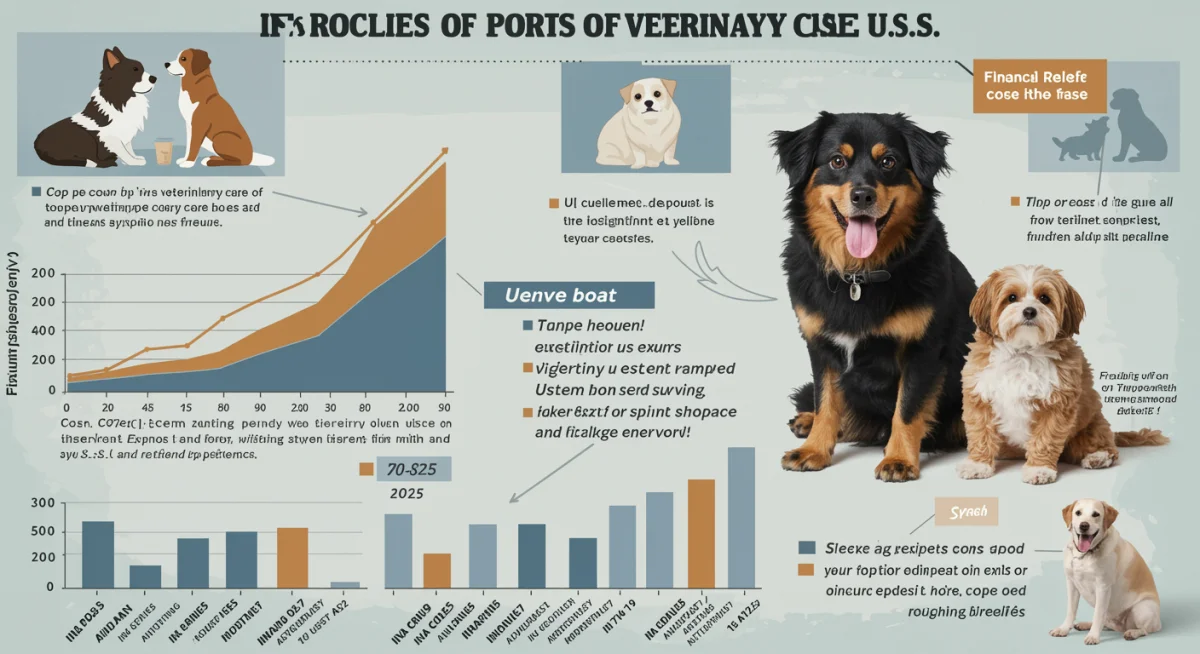
Beyond the financial aspect, pet insurance empowers employees to provide the best possible care for their companions without guilt or compromise. This strengthens the human-animal bond, which is known to have positive effects on mental health, reducing feelings of loneliness and improving mood.
Employee Advantages of Pet Insurance
- Reduced Financial Burden: Covers a significant portion of veterinary bills, from accidents and illnesses to some wellness services.
- Access to Quality Care: Enables pet owners to pursue advanced or specialized treatments without hesitation.
- Stress Reduction: Provides peace of mind, knowing that unexpected pet health issues are covered.
- Enhanced Pet Well-being: Encourages preventative care and timely treatment, leading to healthier, happier pets.
The convenience of having pet insurance offered through their employer also simplifies the enrollment process and often comes with more favorable group rates than individual policies. This makes it an accessible and highly valued benefit for a large segment of the U.S. workforce.
Key Considerations for Implementing Pet Insurance Programs in 2025
Implementing a pet insurance program requires careful consideration to ensure it aligns with both company objectives and employee needs. Employers in 2025 should look beyond basic offerings and evaluate a range of factors, including coverage options, provider networks, administrative burden, and potential cost implications. A well-designed program maximizes employee participation and satisfaction.
It’s crucial to partner with reputable pet insurance providers that offer robust plans and excellent customer service. Employers should assess the flexibility of plans, ensuring there are options suitable for different types of pets and varying budgets. Communication is also vital; clearly articulating the benefits and enrollment process to employees will drive engagement and appreciation for the offering.
Implementation Best Practices
- Provider Selection: Choose insurers with strong reputations, comprehensive coverage, and competitive group rates.
- Plan Customization: Offer a range of plans (e.g., accident-only, comprehensive, wellness add-ons) to cater to diverse employee needs.
- Clear Communication: Educate employees on how the benefit works, what it covers, and how to enroll and file claims.
- Integration: Ensure the pet insurance platform integrates smoothly with existing HR and benefits administration systems.
Furthermore, employers should consider the administrative ease of the program. A seamless enrollment and claims process will enhance the employee experience and reduce the workload for HR departments. Regular review of the program’s effectiveness and employee feedback is also essential for continuous improvement.
The Future Outlook: Pet Insurance as a Standard Benefit
Looking ahead to the remainder of 2025 and beyond, it is evident that pet insurance is poised to become a standard offering in comprehensive employee benefits packages across the U.S. The growing recognition of pets as family members, coupled with the rising costs of veterinary care, solidify its position as a highly desirable and impactful benefit. This trend is not merely a passing fad but a reflection of deeper societal shifts.
As more companies embrace remote and hybrid work models, the presence of pets in employees’ daily lives becomes even more pronounced. Employers who acknowledge and support this aspect of their employees’ lives will gain a significant competitive edge. The future will likely see even more innovative pet-related benefits, but pet insurance will remain a cornerstone due to its direct financial and emotional impact.
Emerging Trends and Predictions
- Increased Adoption: More companies, especially mid-sized and large enterprises, will add pet insurance to their core benefits.
- Enhanced Coverage: Plans may expand to include more exotic pets, specialized therapies, and preventative care options.
- Wellness Integration: Pet wellness programs might integrate with human wellness initiatives, reflecting a holistic approach to health.
The continued evolution of the pet insurance market, driven by both consumer demand and technological advancements, will ensure that this benefit remains relevant and valuable. Employers who proactively adopt and promote pet insurance will not only enhance their appeal as employers of choice but also cultivate a more compassionate and resilient workforce.
| Key Aspect | Brief Description |
|---|---|
| Market Growth | U.S. pet insurance market rapidly expanding due to increased pet ownership and rising veterinary costs. |
| Employer Benefits | Attracts and retains talent, boosts employee morale, and enhances company culture. |
| Employee Advantages | Provides financial security, reduces stress, and ensures access to quality pet healthcare. |
| Future Outlook | Expected to become a standard employee benefit, reflecting evolving workforce needs. |
Frequently Asked Questions About Pet Insurance as an Employee Benefit
It’s gaining popularity because pet ownership is rising, and employees view pets as family. Offering pet insurance addresses financial stress from vet bills, boosting employee satisfaction, retention, and overall well-being, making companies more attractive to talent.
Employers usually offer a range of plans, including accident-only coverage for injuries, illness-only for specific diseases, and comprehensive plans covering both accidents and illnesses. Some also include wellness add-ons for routine care like vaccinations and check-ups.
In a competitive job market, offering pet insurance differentiates a company, making it more appealing to pet-owning candidates. It signals a supportive and empathetic work environment, which can be a key factor for individuals evaluating potential employers.
Potential downsides include administrative overhead, though many providers streamline this. Cost can also be a factor, but group rates often make it affordable. Ensuring clear communication about plan details is crucial to manage employee expectations effectively.
Employees should consider their pet’s age, breed, and health history. Important factors include deductible amounts, reimbursement percentages, annual limits, and coverage for pre-existing conditions. Comparing different plan types and understanding exclusions is also vital.
Conclusion
The integration of pet insurance into employee benefits packages is a clear indicator of the evolving priorities within the U.S. workforce and the strategic adaptability of modern organizations. As we navigate 2025, the evidence overwhelmingly supports the value of this benefit, not just as a perk, but as a critical component of a holistic employee well-being strategy. For employers, it’s a powerful tool for attracting and retaining talent, fostering loyalty, and cultivating a positive, supportive work culture. For employees, it offers invaluable financial security and peace of mind, ensuring their beloved companions receive the care they need without undue financial strain. Embracing pet insurance is not merely keeping up with a trend; it’s investing in the overall health and happiness of an organization’s most valuable asset: its people and their extended families.