Energy Policy Shift: New Incentives for Renewable Energy Adoption by 2026

New federal incentives for renewable energy adoption are anticipated by March 2026, marking a significant energy policy shift aimed at accelerating the transition to clean energy sources across the United States.
The United States is on the cusp of a transformative period in its energy landscape, with a significant energy policy shift: new incentives for renewable energy adoption expected by March 2026. This impending change is poised to reshape how individuals, businesses, and industries approach energy consumption and production. What exactly do these new incentives entail, and how will they impact the push towards a cleaner, more sustainable future?
Understanding the Current Energy Landscape and the Need for Change
The current energy landscape in the United States, while diverse, still heavily relies on fossil fuels. This reliance contributes to environmental concerns, energy insecurity, and economic volatility. The inherent need for a robust and sustained transition to renewable energy sources has become increasingly clear, driven by climate change imperatives and the quest for energy independence.
Despite significant advancements in renewable technologies and a growing awareness of their benefits, the pace of adoption has often been hampered by economic barriers, regulatory complexities, and initial investment costs. These challenges underscore the critical role that well-designed policy incentives can play in accelerating the transition.
Historical context of renewable energy policy
Historically, various federal and state-level initiatives have attempted to spur renewable energy growth, with mixed results. Early tax credits, grants, and research funding laid foundational groundwork, but often lacked the long-term certainty and broad scope needed for widespread impact. The fragmented nature of these policies often created inefficiencies and inconsistencies across different states and sectors.
- Investment Tax Credit (ITC) for solar and wind.
- Production Tax Credit (PTC) for wind energy.
- State Renewable Portfolio Standards (RPS).
- Department of Energy research grants.
The experiences from these past policies offer valuable lessons, highlighting the importance of comprehensive, stable, and predictable incentive structures. Learning from these historical efforts helps policymakers design more effective and impactful programs for the future.
The upcoming policy shift aims to address these past limitations by introducing a more cohesive and aggressive framework. By March 2026, the expectation is that these new incentives will provide the necessary impetus to overcome existing hurdles, making renewable energy not just an environmentally sound choice, but also an economically attractive one for a broader segment of the population and commercial entities. This strategic pivot is crucial for meeting national and international climate goals, while also fostering innovation and job creation within the green energy sector.
Key Pillars of the Expected Energy Policy Shift
The anticipated energy policy shift is not merely an incremental adjustment but a foundational re-evaluation of how the nation approaches clean energy. Experts suggest that the new incentives will likely be built upon several key pillars, each designed to address specific aspects of renewable energy adoption and infrastructure development. These pillars aim to create a synergistic effect, driving both supply and demand for sustainable energy solutions.
One of the primary focuses is expected to be on financial incentives that directly reduce the cost burden for consumers and businesses. This could include enhanced tax credits, direct grants, and low-interest loan programs tailored for renewable energy projects. Such measures are vital for making technologies like solar panels, wind turbines, and battery storage more accessible to a wider demographic.
Enhanced tax credits and direct grants
The new policy is expected to significantly enhance existing tax credits, potentially making them more generous and extending their duration to provide long-term certainty for investors and developers. Direct grants for specific projects, particularly those in underserved communities or those demonstrating innovative approaches, are also likely to be a cornerstone.
- Increased percentage for residential solar installations.
- New tax credits for energy storage systems.
- Grants for community-based renewable projects.
- Incentives for domestic manufacturing of clean energy components.
Beyond direct financial aid, the policy shift is also projected to streamline regulatory processes and invest heavily in grid modernization. A modernized grid is essential for integrating a higher percentage of intermittent renewable sources, ensuring reliability and efficiency. This includes investments in smart grid technologies, energy storage solutions, and improved transmission infrastructure.
Furthermore, there’s an expectation for robust support for research and development (R&D) in emerging renewable technologies. This pillar acknowledges that continuous innovation is key to achieving deeper decarbonization and maintaining the United States’ competitive edge in the global clean energy market. The comprehensive nature of these pillars aims to create a holistic environment conducive to rapid and sustainable renewable energy growth.
Impact on Businesses: Opportunities and Challenges
The impending energy policy shift: new incentives for renewable energy adoption expected by March 2026 presents a dual landscape of significant opportunities and potential challenges for businesses across various sectors. Companies that strategically adapt to these changes stand to gain competitive advantages, reduce operational costs, and enhance their brand reputation. However, those slow to respond might face increased regulatory pressures or miss out on lucrative new markets.
A primary opportunity lies in cost reduction. Businesses that invest in renewable energy systems, such as rooftop solar or on-site wind generation, can significantly lower their long-term energy expenses, hedging against volatile fossil fuel prices. The new incentives are designed to make these upfront investments more palatable, accelerating the return on investment.
New market creation and supply chain evolution
The policy shift is expected to stimulate the creation of new markets and services within the renewable energy sector. This includes increased demand for renewable energy equipment manufacturers, installers, maintenance providers, and specialized financial services. Businesses in adjacent industries, like construction and technology, will also find new avenues for growth as they support the expansion of green infrastructure.
- Growth in solar and wind installation companies.
- Increased demand for battery storage solutions.
- Opportunities in electric vehicle charging infrastructure.
- Development of green finance and investment products.
However, challenges will also emerge. Businesses reliant on traditional energy sources may face increased operational costs due to potential carbon pricing mechanisms or reduced subsidies for fossil fuels. There will also be a need for workforce retraining and development to ensure a skilled labor force capable of supporting the growing renewable energy industry. Navigating these shifts will require proactive planning and investment in sustainable practices.
Ultimately, the policy shift encourages businesses to re-evaluate their energy strategies, consider sustainability as a core component of their operations, and embrace innovation. Early adopters are likely to reap the most benefits, positioning themselves as leaders in a rapidly evolving economic landscape driven by clean energy principles.
Benefits for Consumers and the Environment
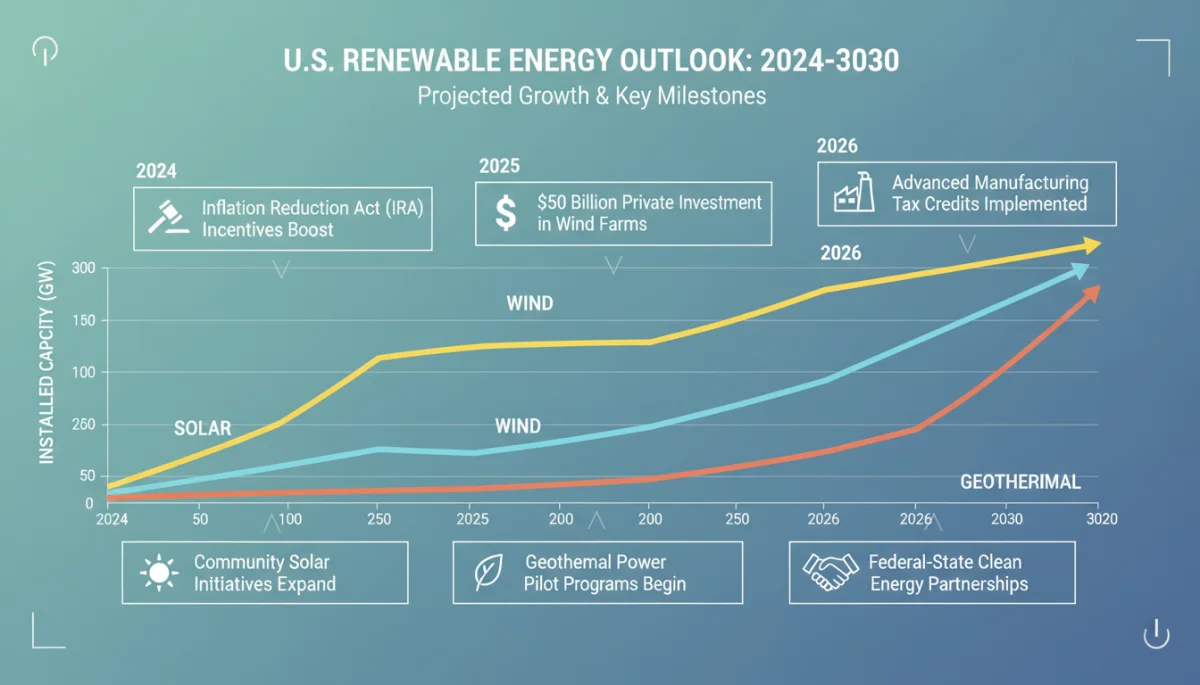
The energy policy shift: new incentives for renewable energy adoption expected by March 2026 holds immense promise for both individual consumers and the broader environment. For consumers, these changes translate into tangible financial savings, increased energy independence, and access to cleaner energy options. Environmentally, the widespread adoption of renewables is critical for mitigating climate change and improving public health.
One of the most direct benefits for consumers will be reduced utility bills. By installing solar panels or other renewable systems, homeowners can generate their own electricity, significantly cutting down on monthly energy expenses. The new incentives are designed to lower the upfront costs of these installations, making them more accessible to a wider range of households.
Improved air quality and public health
A major environmental benefit of transitioning to renewable energy is the significant reduction in air pollution. Fossil fuel combustion releases harmful pollutants and greenhouse gases, contributing to respiratory illnesses, cardiovascular diseases, and other public health issues. Increased renewable energy adoption will lead to cleaner air, particularly in urban areas.
- Decreased emissions of carbon dioxide and other greenhouse gases.
- Reduced incidence of respiratory and cardiovascular diseases.
- Lower healthcare costs associated with pollution-related illnesses.
- Preservation of natural ecosystems and biodiversity.
Beyond financial savings and environmental protection, consumers will also gain greater energy resilience. Distributed renewable energy systems, combined with battery storage, can provide power during grid outages, enhancing reliability and security. This increased independence from centralized fossil fuel grids offers peace of mind and greater control over personal energy consumption.
The policy shift also fosters a sense of collective responsibility and participation in addressing global climate challenges. As more individuals and communities embrace renewable energy, it creates a positive feedback loop, encouraging further investment and innovation in sustainable practices, ultimately leading to a healthier planet for future generations.
Challenges and Potential Roadblocks to Implementation
While the prospect of an energy policy shift: new incentives for renewable energy adoption expected by March 2026 is largely positive, its successful implementation will inevitably face several challenges and potential roadblocks. Addressing these hurdles proactively will be critical to realizing the full potential of the new incentives and ensuring a smooth transition to a cleaner energy future.
One significant challenge is the sheer scale of infrastructure development required. Integrating a much larger proportion of renewable energy into the national grid demands substantial investments in transmission lines, grid modernization, and energy storage solutions. Without adequate infrastructure, even with strong incentives, the generated renewable energy may not be efficiently delivered to consumers.
Regulatory complexities and permitting processes
Navigating the existing labyrinth of regulatory complexities and permitting processes can be a major impediment for renewable energy projects. Delays in obtaining approvals, inconsistencies across state and local jurisdictions, and environmental impact assessments can significantly slow down development and increase costs. Streamlining these processes while maintaining environmental safeguards is a delicate balancing act.
- Lengthy environmental review periods.
- Local zoning restrictions for solar and wind farms.
- Interconnection queues for new projects.
- Variations in state-level renewable energy mandates.
Another potential roadblock is public acceptance and community engagement. Large-scale renewable projects, such as wind farms or utility-scale solar arrays, can sometimes face opposition from local communities due to concerns about visual impact, noise, or land use. Effective communication, community benefits sharing, and transparent decision-making are essential to overcome such resistance.
Furthermore, ensuring a just transition for workers in the fossil fuel industry is a critical socio-economic challenge. As the energy landscape shifts, robust programs for retraining, job placement, and economic diversification in affected regions will be necessary to prevent social displacement and garner broader support for the renewable energy transition. Overcoming these multifaceted challenges will require concerted effort from policymakers, industry, and communities alike.
Preparing for the 2026 Shift: Recommendations and Future Outlook
With the energy policy shift: new incentives for renewable energy adoption expected by March 2026 on the horizon, proactive preparation is paramount for all stakeholders. This period offers a unique window of opportunity to position for future growth and sustainability. Understanding the strategic implications and taking concrete steps now can yield significant long-term benefits.
For individuals, staying informed about the specifics of the upcoming incentives will be crucial. This includes researching eligibility criteria for tax credits, grants, and loan programs related to residential solar, electric vehicles, and energy-efficient home improvements. Consulting with certified energy auditors and renewable energy professionals can help homeowners make informed decisions.
Strategic planning for businesses and investors
Businesses should begin evaluating their current energy consumption patterns and explore potential renewable energy solutions that align with their operational needs. This involves conducting feasibility studies for on-site generation, assessing power purchase agreements (PPAs) with renewable energy providers, and investing in energy efficiency upgrades. Investors should monitor policy developments closely to identify emerging market opportunities.
- Conducting energy audits and efficiency upgrades.
- Exploring corporate renewable energy procurement options.
- Investing in workforce training for green jobs.
- Developing innovative clean energy products and services.
The future outlook for renewable energy in the United States is overwhelmingly positive, driven by technological advancements, declining costs, and strong policy support. The 2026 incentives are expected to accelerate this trajectory, leading to a significant expansion of renewable energy capacity, a reduction in carbon emissions, and the creation of a robust green economy.
Continued collaboration between government, industry, academia, and local communities will be vital to navigate the transition successfully. By embracing innovation, fostering partnerships, and committing to sustainable practices, the United States can solidify its leadership in the global clean energy transition, delivering substantial economic and environmental benefits for decades to come.
| Key Point | Brief Description |
|---|---|
| Policy Shift Timeline | New federal incentives for renewable energy adoption are expected by March 2026. |
| Core Incentives | Likely include enhanced tax credits, direct grants, and low-interest loan programs. |
| Impact on Businesses | Opportunities for cost reduction, new market creation, and supply chain evolution. |
| Consumer Benefits | Reduced utility bills, improved air quality, and greater energy independence. |
Frequently Asked Questions About Renewable Energy Incentives
The primary goals are to accelerate the adoption of renewable energy, reduce reliance on fossil fuels, mitigate climate change impacts, enhance energy independence, and stimulate economic growth within the clean energy sector across the United States.
Homeowners can expect benefits such as significantly reduced upfront costs for installing solar panels or other renewable energy systems through enhanced tax credits and grants, leading to lower monthly utility bills and increased home energy efficiency.
Businesses will find opportunities for cost savings through lower energy expenses, access to new markets in renewable energy services, and improved corporate sustainability profiles. It encourages investment in green technologies and practices.
Yes, challenges include the need for extensive grid modernization, streamlining complex regulatory and permitting processes, addressing local community concerns about large-scale projects, and ensuring a just transition for workers in traditional energy sectors.
The new federal incentives for renewable energy adoption are anticipated to be fully rolled out and in effect by March 2026, providing a clear timeline for businesses and consumers to prepare and take advantage of the opportunities.
Conclusion
The impending energy policy shift: new incentives for renewable energy adoption expected by March 2026 represents a pivotal moment for the United States. This comprehensive approach, combining financial incentives, infrastructure investment, and regulatory streamlining, is designed to accelerate the nation’s transition to a sustainable energy future. While challenges in implementation will undoubtedly arise, the overarching benefits for consumers, businesses, and the environment are substantial. Proactive engagement and strategic planning will be key for all stakeholders to harness the full potential of these transformative policies, paving the way for a cleaner, more resilient, and economically vibrant energy landscape.