Decoding College Rankings 2026: Key Investment Metrics

Decoding College Rankings 2026 reveals that true educational investment value lies in understanding specific metrics beyond traditional prestige, focusing on student success and career readiness.
Understanding what truly matters when evaluating higher education is more crucial than ever. For prospective students and their families, Decoding College Rankings 2026: What Metrics Truly Matter for Your Educational Investment offers a vital guide, moving beyond mere reputation to uncover the tangible benefits of a college degree in today’s dynamic landscape.
The Evolution of College Rankings: Beyond Reputation
College rankings have long served as a primary compass for students navigating the complex world of higher education. However, the methodologies behind these rankings are constantly evolving, especially as we look towards 2026. What once focused heavily on institutional prestige and input metrics is now shifting to emphasize outcomes and student success.
This evolution reflects a broader societal demand for accountability and transparency in education. Families are investing significant resources, and they want to know that their investment will yield tangible returns. Therefore, understanding this shift is the first step in making an informed decision.
Shifting Paradigms in Evaluation
The traditional pillars of college rankings often included factors like endowment size, selectivity, and peer assessment. While these still hold some weight, their dominance is waning. New paradigms are emerging, prioritizing what happens to students during and after their college experience.
- Student Outcomes: This includes graduation rates, retention rates, and post-graduation employment.
- Return on Investment (ROI): Analyzing earnings potential and career advancement based on the chosen institution.
- Social Mobility: How well institutions serve students from diverse socioeconomic backgrounds.
- Research Impact: The influence and volume of scholarly work produced by faculty.
The focus is no longer just on who gets in, but who succeeds and how. This more holistic view helps prospective students better align their educational goals with institutional strengths.
In conclusion, the landscape of college rankings is moving towards a more comprehensive and outcome-oriented approach. This change empowers students and families to make choices based on genuine educational value rather than just historical prestige, leading to more meaningful and impactful higher education journeys.
Understanding Financial Aid and Affordability Metrics
For many families, the cost of college is a significant concern, making financial aid and affordability metrics critically important in Decoding College Rankings 2026: What Metrics Truly Matter for Your Educational Investment. A high sticker price can be daunting, but understanding the true cost after grants and scholarships is essential. These metrics reveal not just the published tuition, but the actual out-of-pocket expenses students can expect.
Institutions vary widely in their ability and willingness to provide financial support. Some highly-ranked schools may appear expensive on paper but offer generous aid packages, making them more affordable than seemingly cheaper alternatives. It’s crucial to look beyond the headline figures.
Net Price vs. Sticker Price
The sticker price is what the college officially charges for tuition, fees, room, and board. The net price, however, is what students actually pay after grants, scholarships, and other non-repayable aid are deducted. This distinction is vital for accurate financial planning.
- Average Net Price: The average cost for students receiving need-based financial aid.
- Percentage of Need Met: The proportion of a student’s demonstrated financial need that an institution covers.
- Graduation Rate for Pell Grant Recipients: An indicator of how well a college supports lower-income students through to graduation.
- Student Loan Debt: The average debt burden for graduates, reflecting overall affordability.
These figures provide a clearer picture of the financial commitment required and the potential burden of student loans post-graduation.
Considering financial aid and affordability metrics is paramount for a realistic assessment of a college’s value. It allows families to understand the true cost and avoid unforeseen financial strains, ensuring that the educational investment is sustainable and manageable.
Career Outcomes and Post-Graduation Success
When considering Decoding College Rankings 2026: What Metrics Truly Matter for Your Educational Investment, career outcomes and post-graduation success stand out as pivotal indicators of a college’s long-term value. Students pursue higher education primarily to enhance their career prospects, and thus, metrics that reflect employment rates, salary potential, and career services effectiveness are invaluable. These metrics move beyond theoretical academic achievement to demonstrate practical, real-world impact.
A strong focus on career readiness and successful transitions into the workforce signals an institution’s commitment to its students’ futures. This includes not just securing a job, but finding meaningful employment that aligns with their education and aspirations.
Key Indicators of Career Preparedness
Several metrics offer insights into how well a college prepares its graduates for the job market. These go beyond simple employment rates to provide a more nuanced understanding of career trajectory and satisfaction.
For instance, examining the types of industries graduates enter, the companies that hire them, and the average starting salaries can reveal a lot about an institution’s industry connections and the market relevance of its programs. Furthermore, the availability and quality of career services play a significant role in student success.
- Employment Rate Six Months Post-Graduation: The percentage of graduates employed or continuing their education shortly after earning their degree.
- Average Starting Salary: The typical earnings of recent graduates in their first jobs, often broken down by major.
- Alumni Network Strength: The robustness and engagement of an institution’s alumni, which can be a valuable resource for career development.
- Career Services Effectiveness: The quality of career counseling, job placement assistance, and internship opportunities provided.
These metrics empower students to choose institutions that not only offer a strong academic foundation but also a clear pathway to professional achievement.
In essence, focusing on career outcomes and post-graduation success ensures that the educational investment translates into tangible professional advantages. It helps students select colleges that are truly invested in their future career paths, providing a solid foundation for long-term success.
Student Experience and Campus Culture
Beyond academics and financial considerations, the student experience and campus culture are vital, often overlooked metrics in Decoding College Rankings 2026: What Metrics Truly Matter for Your Educational Investment. A positive and supportive campus environment significantly impacts a student’s personal growth, well-being, and ultimately, their academic success. These factors contribute to a student’s overall satisfaction and sense of belonging, which are crucial for thriving in a college setting.
The cultural fit between a student and an institution can make all the difference in their educational journey. It encompasses everything from dorm life and extracurricular activities to the availability of support services and the diversity of the student body.
Measuring the Intangibles of Campus Life
While often seen as subjective, aspects of student experience can be quantified through various surveys and data points. These metrics offer insights into the quality of life, engagement, and support systems available to students.
For example, student satisfaction surveys often reveal how students perceive their professors, academic rigor, and social environment. Retention rates, while also indicating academic support, can reflect overall satisfaction with the campus experience. A high retention rate often suggests that students feel supported and engaged enough to continue their studies at that institution.
- Student-Faculty Ratio: A lower ratio often indicates more personalized attention and smaller class sizes.
- Student Satisfaction Surveys: Data on how content students are with their academic, social, and support services.
- Retention Rates: The percentage of first-year students who return for their second year, indicating overall satisfaction and support.
- Campus Diversity: The representation of various backgrounds, cultures, and perspectives within the student body.
These indicators help prospective students understand the kind of community they will be joining and whether it aligns with their personal preferences and needs.
Ultimately, assessing the student experience and campus culture is about finding a place where a student can not only learn but also grow, connect, and flourish. This holistic view ensures a more enriching and successful educational journey.
Research and Innovation Impact
The research and innovation impact of an institution are increasingly significant metrics when Decoding College Rankings 2026: What Metrics Truly Matter for Your Educational Investment. For students interested in cutting-edge fields, graduate studies, or simply a dynamic learning environment, a college’s contribution to knowledge and technological advancement can be a powerful draw. These metrics highlight an institution’s intellectual vitality and its role in shaping future industries and solving global challenges.
A strong research culture often translates into more opportunities for undergraduate involvement in research, access to leading experts, and a curriculum informed by the latest discoveries. This can provide students with a distinct advantage in a competitive world.
Assessing an Institution’s Intellectual Footprint
Evaluating research and innovation involves looking at various indicators that reflect the quality, quantity, and influence of an institution’s scholarly output. This moves beyond simply counting publications to understanding their impact.
Metrics such as citation counts, grant funding, and the number of patents filed provide concrete evidence of an institution’s contributions. Furthermore, the presence of interdisciplinary research centers and collaborations with industry or government can indicate a vibrant and forward-thinking research ecosystem.
- Research Expenditures: The amount of funding dedicated to research activities, indicating institutional commitment.
- Faculty Publications and Citations: The volume and influence of scholarly articles produced by faculty members.
- Patents and Licenses: The number of innovative ideas translated into intellectual property and commercial applications.
- Grant Funding: Success in securing competitive grants from government agencies and private foundations.
These metrics demonstrate an institution’s capacity to push boundaries and offer students a stimulating environment at the forefront of discovery.
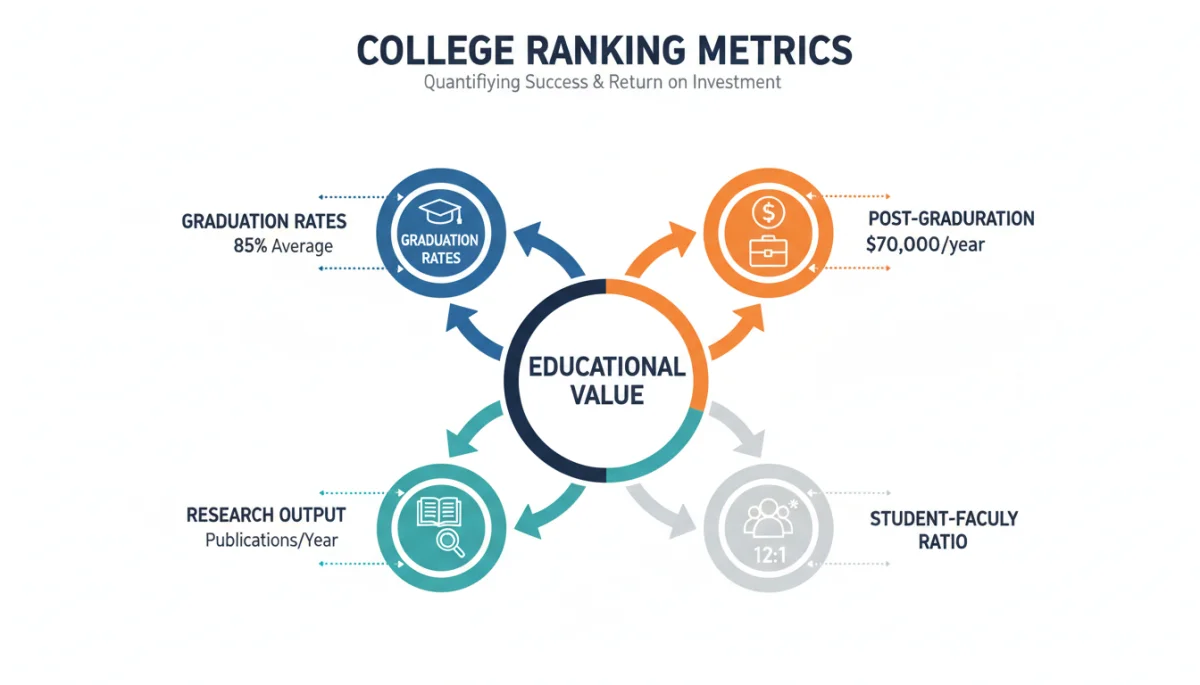
In conclusion, the research and innovation impact of a college are crucial for students seeking an education that prepares them for a rapidly changing world. It signifies an institution that is not just teaching existing knowledge but actively creating new understanding and solutions, providing an invaluable experience for future leaders and innovators.
Accreditation and Program Specific Quality
A fundamental, yet sometimes overlooked, metric in Decoding College Rankings 2026: What Metrics Truly Matter for Your Educational Investment is accreditation and program-specific quality. While overall institutional rankings offer a broad view, the accreditation status of both the institution and its individual programs provides a critical assurance of educational standards and quality. This is particularly important for professions that require licensure or specific certifications.
Accreditation signifies that an institution or program has met rigorous standards set by independent accrediting bodies. It assures students, employers, and other institutions that the education provided is credible and recognized.
Ensuring Quality Through Accreditation
There are two main types of accreditation: institutional and programmatic. Institutional accreditation covers the entire college or university, while programmatic accreditation focuses on specific departments or degrees, such as engineering, nursing, or business programs.
It is essential to verify both forms of accreditation, especially for fields where professional recognition is paramount. A program with specialized accreditation often indicates a higher level of industry relevance and adherence to best practices, which can significantly impact a graduate’s employability and career progression.
- Regional Accreditation: The most recognized form of institutional accreditation in the U.S., ensuring broad acceptance of credits and degrees.
- Specialized/Programmatic Accreditation: Accreditation for specific fields of study, often critical for professional licensure (e.g., ABET for engineering, AACSB for business).
- Faculty Credentials: The qualifications and experience of professors within specific departments, ensuring expertise.
- Curriculum Relevance: How well program curricula align with current industry standards and future demands.
These quality assurances help students select programs that are not only reputable but also genuinely prepare them for their chosen careers.
Ultimately, checking accreditation and program-specific quality is a non-negotiable step in evaluating an educational investment. It provides a foundational layer of trust and ensures that the degree earned will be recognized and valued, opening doors to future opportunities rather than closing them.
Global Engagement and International Opportunities
In an increasingly interconnected world, global engagement and international opportunities are becoming key metrics when Decoding College Rankings 2026: What Metrics Truly Matter for Your Educational Investment. For students aspiring to work in global industries or develop a broader worldview, a college’s commitment to internationalization can significantly enhance their educational experience and future career prospects. These metrics highlight an institution’s capacity to prepare students for a diverse and globalized workforce.
Exposure to different cultures, languages, and international perspectives can foster critical thinking, adaptability, and cross-cultural communication skills, which are highly valued by employers worldwide. A globally-minded institution often provides numerous avenues for such enrichment.
Measuring a College’s Global Footprint
Assessing an institution’s global engagement involves looking at various programs and initiatives designed to provide international exposure. This goes beyond simply offering a few study abroad programs to encompass a more integrated global perspective within the curriculum and campus life.
Factors such as the diversity of the international student body, the number and quality of global partnerships, and the integration of global topics into coursework can indicate a truly internationally focused environment. Furthermore, the availability of resources for international students and support for global research initiatives also play a role.
- Study Abroad Participation: The percentage of students who participate in international exchange or study abroad programs.
- International Student Enrollment: The diversity and number of students from other countries, enriching the campus environment.
- Global Partnerships: Collaborations with international universities, research institutions, and organizations.
- Internationalized Curriculum: The integration of global perspectives and topics into academic programs.
These indicators help prospective students identify colleges that offer a truly global education, preparing them to thrive in an interconnected world.
In summary, evaluating a college’s global engagement and international opportunities is crucial for students aiming for a globally relevant education. It ensures that their investment equips them with the skills and perspectives needed to navigate and succeed in a diverse and interconnected global society, broadening their horizons and enhancing their employability.
| Key Metric | Brief Description |
|---|---|
| Student Outcomes | Graduation rates, retention, and post-graduation employment success. |
| Financial Aid & Net Price | Actual cost after grants and scholarships, and average student debt. |
| Career Readiness | Employment rates, starting salaries, and effectiveness of career services. |
| Accreditation & Quality | Institutional and programmatic validation of educational standards. |
Frequently Asked Questions About College Rankings 2026
College rankings are evolving to reflect a greater emphasis on student outcomes, return on investment, and social mobility. This shift aims to provide a more holistic view of an institution’s value beyond traditional prestige factors, catering to the demands for greater accountability.
Net price is crucial as it represents the actual cost a student pays after grants and scholarships, offering a more realistic financial picture than the sticker price. Focusing on net price helps families understand true affordability and potential debt burden.
Prioritize employment rates six months post-graduation, average starting salaries by major, and the effectiveness of career services. These metrics directly indicate how well a college prepares its graduates for successful entry into their chosen career fields.
Yes, campus culture significantly impacts a student’s well-being, personal growth, and academic success. A positive cultural fit can lead to higher retention rates and overall satisfaction, making it a critical factor for a fulfilling educational investment.
Accreditation is a fundamental assurance of educational quality and standards, ensuring a degree is recognized and respected. While rankings offer a comparative view, accreditation is a non-negotiable baseline for credibility and future career opportunities, especially for licensed professions.
Conclusion
Decoding College Rankings 2026: What Metrics Truly Matter for Your Educational Investment reveals that a truly informed decision requires looking beyond superficial prestige. By focusing on a comprehensive set of metrics—including student outcomes, financial aid, career readiness, campus culture, research impact, and accreditation—prospective students and their families can make a strategic investment in higher education. This nuanced approach ensures that the chosen institution not only aligns with academic aspirations but also provides tangible value and prepares graduates for success in a rapidly evolving world. Making an educational investment in 2026 means prioritizing a holistic view of institutional performance and student flourishing.