Employee Benefits Trends 2026: New Perks Nationwide
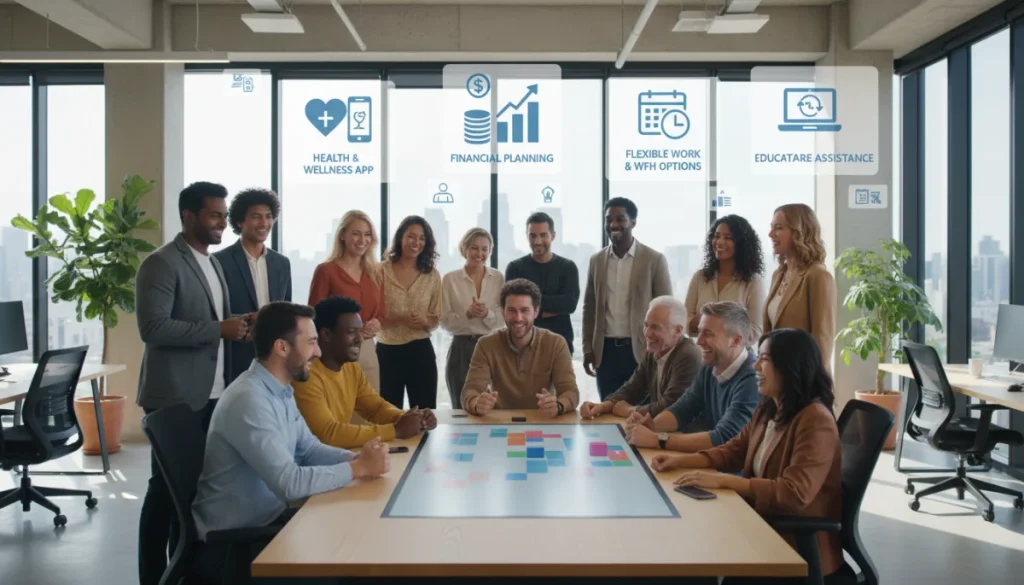
Employers nationwide are strategically adapting their offerings in 2026, focusing on personalized well-being, flexible work models, and robust financial support as core components of evolving employee benefits trends 2026 to meet diverse workforce needs.
The competitive landscape for talent in the United States continues to intensify, pushing employers to rethink their compensation and perks. As we look towards 2026, understanding the emerging employee benefits trends 2026 is not just advantageous, it’s essential for attracting and retaining top talent. This article delves into the innovative perks and programs that are set to redefine the employee experience nationwide.
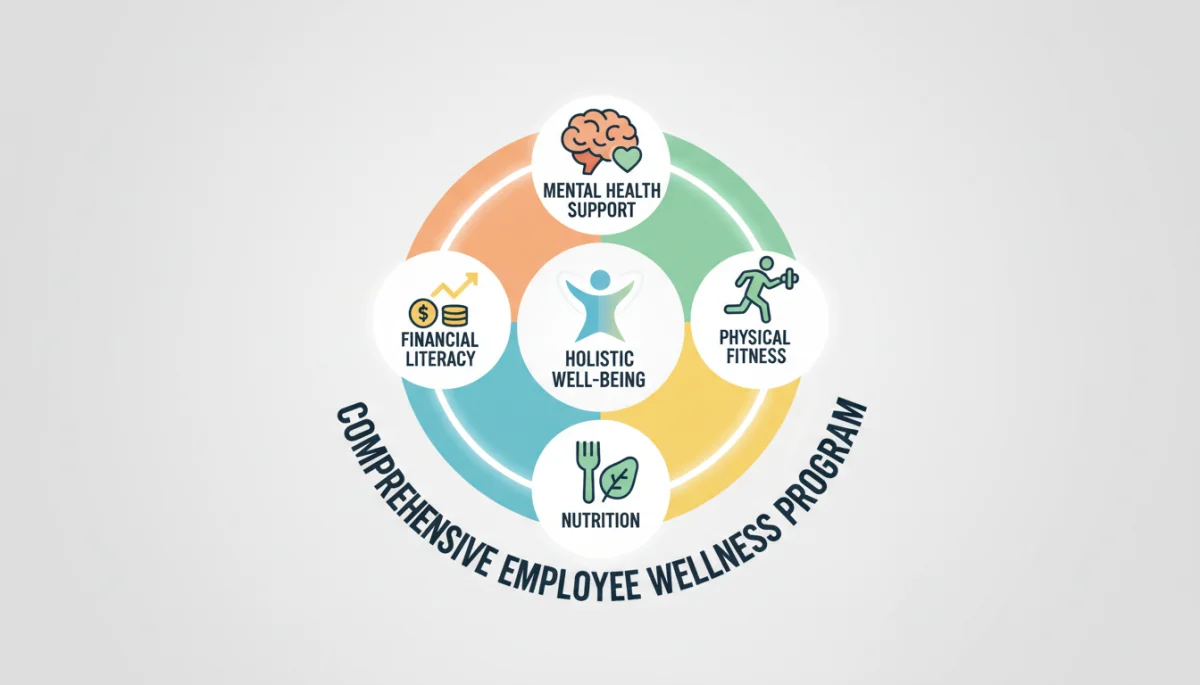
The Evolution of Holistic Well-being Initiatives
The concept of employee well-being has expanded far beyond traditional health insurance. In 2026, employers are embracing a truly holistic approach, recognizing that an individual’s overall health encompasses physical, mental, emotional, and financial dimensions. This shift is driven by a deeper understanding of how these interconnected aspects impact productivity, engagement, and employee retention.
Forward-thinking companies are moving away from one-size-fits-all solutions, instead opting for personalized well-being platforms that cater to individual needs and preferences. This customization is key to ensuring that benefits are not just offered, but actively utilized by the workforce.
Mental Health Support Takes Center Stage
Mental health support is no longer a niche offering but a foundational element of comprehensive benefits packages. The stigma surrounding mental health in the workplace is diminishing, paving the way for more open discussions and accessible resources.
- Expanded Access to Therapy: Employers are partnering with a wider range of mental health providers, including teletherapy platforms, to ensure employees can easily access licensed therapists and counselors.
- Mindfulness and Stress Reduction Programs: Initiatives like guided meditation sessions, stress management workshops, and access to mindfulness apps are becoming standard.
- Manager Training for Mental Health First Aid: Training programs for managers to identify signs of mental distress and provide initial support or direct employees to appropriate resources are gaining traction.
Physical Wellness Beyond the Gym Membership
While gym memberships remain popular, physical wellness in 2026 is about empowering employees to integrate healthy habits into their daily lives, regardless of location or lifestyle. This includes a focus on preventative care and personalized fitness solutions.
- Wearable Tech Integration: Companies are subsidizing or providing wearable fitness trackers, often integrating them with wellness challenges and incentive programs to encourage activity.
- Ergonomic Home Office Setups: With hybrid and remote work models prevalent, employers are investing in ergonomic assessments and providing stipends for employees to create comfortable and healthy home workspaces.
The comprehensive integration of mental and physical well-being initiatives reflects a commitment to supporting employees as whole individuals. This approach not only fosters a healthier workforce but also builds a culture of care and empathy, crucial for sustained success in 2026 and beyond.
Flexible Work Arrangements as a Core Benefit
The pandemic irrevocably altered perceptions of work, solidifying flexible work arrangements as a non-negotiable benefit for many employees. In 2026, flexibility is no longer a temporary adjustment but a fundamental component of attractive employment packages, reflecting a deeper trust in employees and a focus on results over presence.
Employers are recognizing that offering choices in where and when work gets done leads to increased job satisfaction, reduced commute times, and a better work-life balance, ultimately contributing to higher productivity and lower turnover.
Hybrid and Remote Work Models
The hybrid model, blending in-office and remote work, is becoming the dominant paradigm. However, truly remote-first companies are also thriving, demonstrating that geographical boundaries are increasingly irrelevant for many roles. The key is clear communication and robust support for all working models.
- Defined Hybrid Schedules: Many organizations are establishing clear guidelines for in-office days, often focusing on collaborative activities, while allowing remote work for focused tasks.
- Technology for Seamless Collaboration: Investment in advanced video conferencing tools, collaborative software, and secure remote access is paramount to ensure equity and efficiency across all work locations.
Beyond hybrid and remote, flexible hours and compressed workweeks are also gaining traction. Employees value the ability to manage personal appointments, family responsibilities, and even pursue personal interests without sacrificing their professional commitments. This level of autonomy is a powerful motivator and a significant draw for talent.
As employers navigate the complexities of a diverse workforce, providing genuine flexibility is critical. It signals trust, empowers employees, and ultimately leads to a more engaged and satisfied team, making it a cornerstone of employee benefits trends 2026.
Enhanced Financial Wellness Programs
Financial stress is a significant detractor from employee well-being and productivity. Recognizing this, employers in 2026 are bolstering their financial wellness programs, moving beyond basic retirement plans to offer comprehensive support that addresses various aspects of an employee’s financial life cycle.
These programs aim to equip employees with the knowledge, tools, and resources to manage their finances effectively, plan for the future, and achieve financial security. This proactive approach benefits both the employee and the organization.
Personalized Financial Coaching and Education
Generic financial seminars are being replaced by more tailored, one-on-one coaching and educational resources. This allows employees to address their specific financial concerns, whether it’s debt management, budgeting, or investment strategies.
- Access to Certified Financial Planners: Companies are offering subsidized or free consultations with financial experts to help employees create personalized financial plans.
- Digital Financial Wellness Platforms: Interactive online tools and apps that provide budgeting assistance, debt calculators, and investment guidance are becoming common.
Student Loan Repayment Assistance
With the soaring cost of higher education, student loan debt remains a major burden for many professionals. Employers are increasingly offering repayment assistance as a highly valued benefit, particularly for younger demographics.
- Employer Contributions: Some companies are making direct contributions to employees’ student loan principal or interest payments.
- Student Loan Refinancing Support: Partnerships with lenders to offer favorable refinancing rates or guidance on consolidation options are also emerging.
By addressing financial well-being comprehensively, employers are demonstrating a commitment to their employees’ long-term stability and peace of mind. This not only alleviates stress but also fosters loyalty and reduces the financial distractions that can impact work performance.
Personalized Learning and Development Opportunities
In a rapidly evolving job market, continuous learning and skill development are paramount. Employees in 2026 are actively seeking roles that offer opportunities for growth, making personalized learning and development (L&D) a critical component of attractive benefits packages. It’s about investing in human capital.
Employers are shifting from generic training modules to bespoke L&D programs that align with individual career aspirations and organizational needs. This approach not only enhances employee skills but also boosts engagement and retention.
Skill-Based Training and Upskilling Initiatives
The focus is on acquiring future-proof skills, particularly in areas like AI, data analytics, cybersecurity, and advanced digital literacy. Employers are providing resources to help employees adapt to technological advancements.
- Online Course Subscriptions: Access to platforms like Coursera, LinkedIn Learning, and Udemy, allowing employees to choose courses relevant to their career path.
- Internal Mentorship Programs: Structured programs where experienced employees guide and develop newer talent, fostering knowledge transfer and internal growth.
Tuition Reimbursement and Professional Certifications
Supporting employees in pursuing higher education or specialized certifications remains a valued benefit. This demonstrates a long-term investment in their professional journey.
The emphasis on personalized L&D underscores a commitment to employee growth and adaptability. By empowering employees to continuously learn and upskill, companies are not only securing their own future but also creating a highly motivated and capable workforce, a key element of employee benefits trends 2026.
Caregiving Support and Family-Friendly Benefits
The demands of caregiving, whether for children, elderly parents, or other family members, significantly impact an employee’s ability to focus on work. In 2026, employers are recognizing this reality by expanding caregiving support and enhancing family-friendly benefits, aiming to alleviate stress and promote work-life integration.
These benefits are crucial for fostering an inclusive workplace and supporting a diverse workforce, where many employees juggle professional responsibilities with significant caregiving duties.
Expanded Parental Leave and Support
Beyond traditional maternity and paternity leave, companies are offering more inclusive and generous parental leave policies, extending to adoption and foster care, and providing greater flexibility in how that leave is taken.
- Phased Return-to-Work Programs: Allowing new parents to gradually return to full-time hours, easing the transition back into the workplace.
- Lactation Support Programs: Providing dedicated spaces and resources for nursing parents, both in-office and for remote workers.
Elder Care and Dependent Care Assistance
The Sandwich Generation, caring for both children and aging parents, is a growing demographic. Employers are stepping up to provide resources that address these complex caregiving needs.
- Subsidized Backup Care: Offering access to emergency childcare or elder care services when regular arrangements fall through.
- Caregiving Leave and Resources: Providing paid or unpaid leave options specifically for caregiving, along with access to platforms that help locate and vet care providers.
By offering robust caregiving support, employers are demonstrating empathy and understanding towards the multifaceted lives of their employees. This not only reduces stress but also allows employees to remain engaged and productive, knowing their family responsibilities are acknowledged and supported.
Sustainability and Social Impact Initiatives
A new wave of employee benefits trends 2026 is emerging, focusing on sustainability and social impact. Employees, particularly younger generations, are increasingly seeking employers whose values align with their own, and who demonstrate a commitment to environmental responsibility and community engagement.
These initiatives go beyond traditional corporate social responsibility and are integrated into the benefits package, offering employees ways to contribute to a better world through their work.
Eco-Friendly Commuting and Living Benefits
Companies are encouraging sustainable practices by offering benefits that support eco-conscious choices in daily life.
- Electric Vehicle Charging Stations: Providing on-site charging facilities for employees with electric vehicles.
- Public Transport Subsidies: Offering incentives for using public transportation, reducing carbon footprint.
- Sustainable Home Office Stipends: Providing funds for energy-efficient equipment or sustainable office supplies for remote workers.
Volunteer Time Off (VTO) and Charitable Giving Programs
Allowing employees paid time off to volunteer for causes they care about is becoming a popular benefit, fostering a sense of purpose and community.
- Company-Sponsored Volunteer Days: Organizing team volunteer events for local charities or environmental projects.
- Matching Gift Programs: Companies matching employee donations to eligible non-profit organizations, amplifying their impact.
Integrating sustainability and social impact into employee benefits not only attracts values-driven talent but also fosters a positive company culture. It allows employees to feel a deeper connection to their work and their employer, contributing to a more meaningful and engaging work experience.
| Key Trend | Brief Description |
|---|---|
| Holistic Well-being | Integrated support for mental, physical, emotional, and financial health. |
| Flexible Work | Hybrid, remote, and flexible hours as standard offerings for autonomy. |
| Financial Wellness | Personalized coaching, debt assistance, and retirement planning. |
| Learning & Development | Tailored skill-building, certifications, and career growth opportunities. |
Frequently Asked Questions About 2026 Employee Benefits
The most significant shift revolves around personalization and holistic well-being. Employers are moving away from generic offerings to provide tailored benefits that address individual physical, mental, emotional, and financial needs, recognizing the diverse demands of a modern workforce.
Flexible work is no longer a temporary measure but a core benefit. Hybrid models are dominant, complemented by options like fully remote positions, flexible hours, and compressed workweeks. This empowers employees with autonomy and improves work-life integration.
Beyond traditional retirement plans, new perks include personalized financial coaching, access to certified financial planners, digital budgeting tools, and increasingly, student loan repayment assistance programs to alleviate debt burdens.
Yes, caregiving benefits are expanding significantly. This includes more inclusive and generous parental leave, phased return-to-work programs, and support for elder care and dependent care, recognizing employees’ diverse family responsibilities.
Employees, especially younger generations, seek alignment with employer values. Benefits now include eco-friendly commuting incentives, electric vehicle charging, volunteer time off, and matching gift programs, reflecting a commitment to social and environmental responsibility.
Conclusion
The landscape of employee benefits trends 2026 is characterized by a profound shift towards personalization, flexibility, and holistic support. Employers nationwide are recognizing that a truly compelling benefits package extends beyond traditional offerings, encompassing mental and financial well-being, continuous learning, robust caregiving support, and a commitment to social impact. By strategically investing in these evolving perks and programs, organizations can not only attract and retain top talent but also foster a more engaged, productive, and resilient workforce, ultimately driving long-term success in an ever-competitive market.