2026 VA Benefits: Essential Changes for Veterans and Their Families
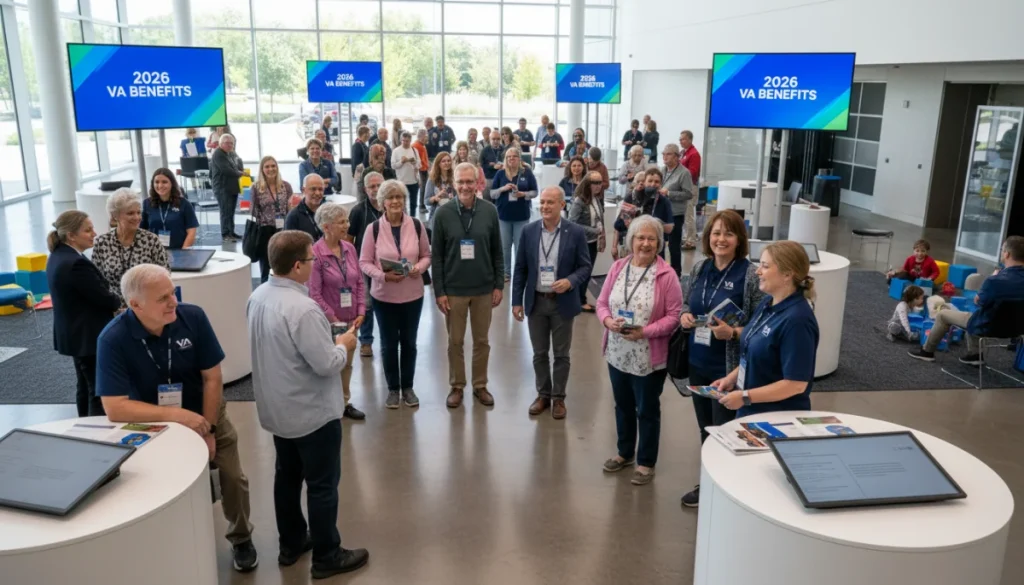
The Department of Veterans Affairs (VA) is introducing essential changes to its benefits programs in 2026, creating significant new opportunities and enhanced support for veterans and their families across key areas like healthcare, education, housing, and financial aid.
Are you a veteran or a family member of one, wondering what the future holds for your support and opportunities? The year 2026 marks a pivotal moment for the Department of Veterans Affairs (VA), with significant updates poised to reshape how benefits are accessed and utilized. These upcoming 2026 VA benefits present essential changes designed to provide enhanced support and open new doors for those who have served our nation.
Understanding the Landscape of 2026 VA Benefits
The Department of Veterans Affairs continually evolves its programs to better serve the veteran community. As we approach 2026, several key legislative initiatives and administrative adjustments are set to take effect, promising a more comprehensive and responsive benefits system. These changes aim to address long-standing challenges and introduce innovative solutions, ensuring that veterans and their families receive the care and opportunities they deserve.
Staying informed about these updates is crucial for maximizing the advantages available. From improved healthcare access to expanded educational pathways and robust housing support, the landscape of VA benefits is undergoing a transformative period. Our goal is to break down these complex changes into understandable segments, empowering you to navigate the system effectively.
Key Legislative Drivers for 2026
Several pieces of legislation passed in recent years are now reaching their full implementation phases by 2026. These acts often focus on specific areas, such as toxic exposure, mental health, and support for caregivers. Understanding the legislative intent behind these changes can provide valuable context for the new opportunities emerging.
- PACT Act Enhancements: Further expansions of benefits and presumptive conditions related to toxic exposure.
- Modernized Healthcare Access: Initiatives aimed at streamlining appointments and integrating community care options.
- Caregiver Support Program Refinements: Adjustments to eligibility and services for family caregivers.
The overarching theme for 2026 VA benefits is a commitment to holistic well-being, recognizing that support extends beyond medical care to encompass financial stability, educational growth, and family welfare. This integrated approach ensures that veterans can thrive in all aspects of civilian life.
Expanded Healthcare Services and Access
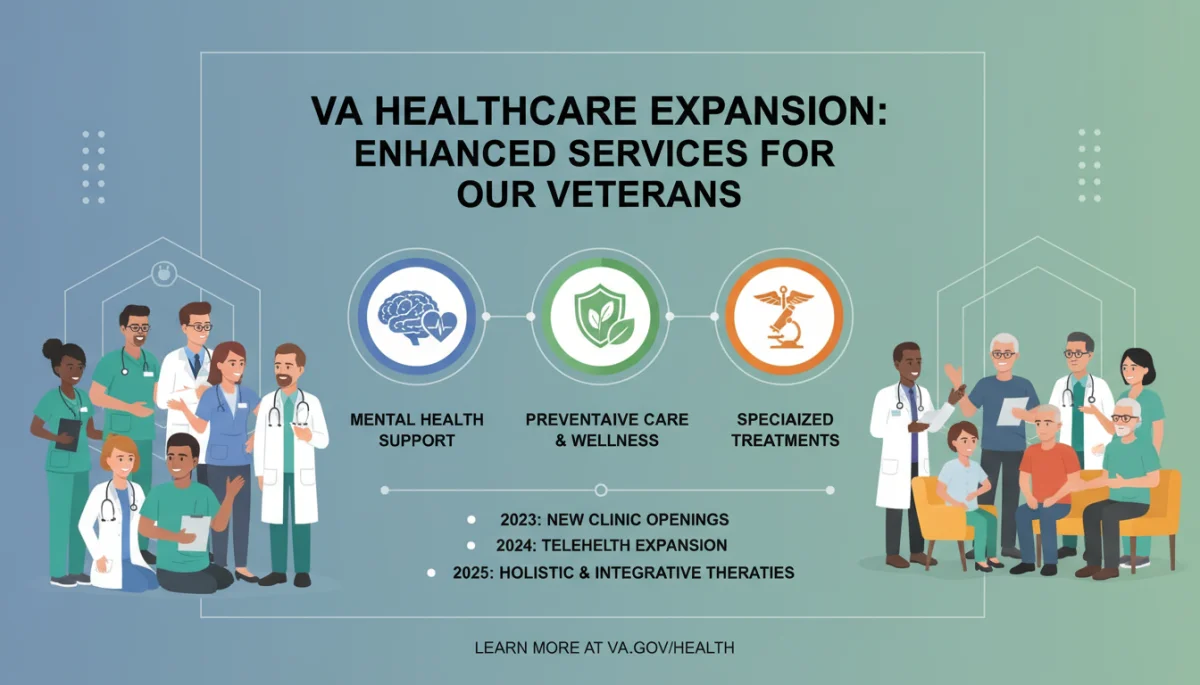
One of the most significant areas of change for 2026 VA benefits lies within healthcare. The VA is committed to providing world-class medical services, and the upcoming year will see substantial enhancements in both the scope of care and the ease of access for veterans. These improvements are designed to address the diverse health needs of the veteran population, from preventative care to specialized treatments.
Veterans can anticipate more streamlined appointment scheduling, increased availability of mental health services, and a greater emphasis on personalized care plans. The VA is also investing heavily in telehealth technologies, making it easier for veterans in rural or underserved areas to connect with healthcare providers without extensive travel.

Mental Health and Well-being Initiatives
Recognizing the critical importance of mental health, 2026 VA benefits include substantial new programs and expanded resources dedicated to psychological well-being. This involves not only increasing the number of mental health professionals but also introducing innovative therapeutic approaches and peer support networks.
- Enhanced Tele-mental Health: Broadening access to virtual counseling and therapy sessions.
- Trauma-Informed Care: Implementing new protocols for addressing PTSD and other trauma-related conditions.
- Suicide Prevention Programs: Expanding outreach and support services to at-risk veterans.
These initiatives reflect a proactive stance by the VA to ensure that mental health support is not only accessible but also destigmatized and integrated into overall healthcare strategies. The goal is to create a supportive environment where veterans feel comfortable seeking and receiving help.
Overall, the healthcare changes for 2026 are poised to deliver a more responsive, comprehensive, and patient-centered experience for veterans. The focus on accessibility, specialized care, and mental health underscores the VA’s dedication to the long-term health and wellness of those who have served.
New Educational and Career Development Opportunities
For veterans seeking to further their education or transition into new careers, the 2026 VA benefits package offers exciting new opportunities. These updates aim to empower veterans with the skills and knowledge needed to succeed in a rapidly evolving job market, providing both financial assistance and comprehensive support services.
The VA is expanding its partnerships with educational institutions and vocational training programs, ensuring that veterans have a wide array of choices for their academic and professional development. There’s a particular emphasis on high-demand fields, helping veterans align their skills with current industry needs.
GI Bill Enhancements and Eligibility
The Post-9/11 GI Bill continues to be a cornerstone of veteran education benefits, and 2026 will see specific refinements to its application and usage. These changes are designed to clarify eligibility, simplify the application process, and potentially expand covered expenses, making higher education more attainable for more veterans.
Beyond traditional degree programs, the VA is also placing a greater focus on non-traditional educational pathways. This includes certifications, apprenticeships, and on-the-job training programs that offer direct routes to employment. These options are particularly valuable for veterans looking for quicker entry into the workforce.
- Streamlined Application Process: Reducing bureaucratic hurdles for GI Bill applications.
- Expanded Program Eligibility: Including more vocational and technical training options.
- Career Counseling Services: Providing personalized guidance for educational and career planning.
These educational and career development opportunities under the 2026 VA benefits framework are crucial for veterans transitioning to civilian life. By investing in their future, the VA is helping to build a skilled workforce and ensure veterans can achieve their full potential.
Housing Assistance and Homeownership Programs
Securing stable housing is a fundamental need, and the 2026 VA benefits include significant updates to housing assistance and homeownership programs. These changes are designed to make it easier for veterans and their families to find affordable housing, prevent homelessness, and achieve the dream of owning a home.
The VA home loan program, a hallmark benefit, is expected to see adjustments that could enhance accessibility and flexibility for borrowers. Additionally, there’s a renewed focus on programs that assist at-risk veterans with rent, utilities, and other housing-related expenses, aiming to reduce veteran homelessness rates.
VA Home Loan Program Adjustments
For those looking to purchase a home, the VA home loan remains one of the most powerful benefits available. In 2026, potential changes could include updated loan limits, refined appraisal processes, and expanded eligibility criteria, making homeownership more accessible to a broader range of veterans.
Beyond the traditional home loan, the VA is also bolstering its adaptive housing grants, which help disabled veterans modify their homes to better suit their needs. These grants are vital for improving quality of life and promoting independence.
- Streamlined Loan Application: Simplifying the process for obtaining a VA home loan.
- Homelessness Prevention Initiatives: Expanding resources for emergency housing and support services.
- Adaptive Housing Grant Updates: Increasing funding and broadening eligibility for home modifications.
These comprehensive housing initiatives under the 2026 VA benefits demonstrate a strong commitment to ensuring that every veteran has a safe, stable, and suitable place to call home. The focus is on both long-term homeownership and immediate housing stability.
Financial Support and Disability Compensation Updates
Financial stability is a cornerstone of well-being, and the 2026 VA benefits package brings important updates to disability compensation and other financial assistance programs. These changes are intended to provide veterans and their families with the economic security they need, recognizing the sacrifices made in service.
Disability compensation rates are subject to annual adjustments based on cost-of-living increases, and 2026 will see the latest figures implemented. Furthermore, there may be refinements to the criteria for certain presumptive conditions, potentially expanding eligibility for compensation for veterans exposed to specific environmental hazards.
Cost-of-Living Adjustments (COLA) and Presumptive Conditions
The annual COLA ensures that disability compensation keeps pace with inflation, maintaining the purchasing power of veterans’ benefits. Staying informed about these adjustments is key for financial planning. Additionally, the ongoing review of presumptive conditions related to toxic exposure continues to evolve.
These updates can significantly impact veterans who may have previously been denied benefits due to a lack of recognized service connection. The VA is also exploring ways to simplify the claims process for these complex conditions, making it less burdensome for veterans to receive the compensation they are entitled to.
- Annual COLA Implementation: Ensuring disability compensation reflects current economic realities.
- Expanded Presumptive Conditions: Potentially adding more conditions linked to service-related exposures.
- Streamlined Claims Process: Efforts to simplify and expedite disability claims.
The financial support and disability compensation updates within the 2026 VA benefits framework are crucial for providing veterans with economic security. These changes reflect a commitment to fair compensation and responsive support for those facing service-connected challenges.
Support for Military Families and Caregivers
Recognizing that military service impacts entire families, the 2026 VA benefits also include significant enhancements for military families and caregivers. These programs are designed to provide essential support to the spouses, children, and other family members who play a vital role in a veteran’s life and recovery.
Caregivers, in particular, will see refinements to existing programs, potentially including expanded eligibility, increased stipends, and more comprehensive training and support services. The VA understands that caregivers are often unsung heroes, and these changes aim to acknowledge and alleviate some of their burdens.
Caregiver Support Program Enhancements
The Program of Comprehensive Assistance for Family Caregivers (PCAFC) has been a lifeline for many, and 2026 will bring further improvements. These may include a broader definition of eligible veterans, allowing more families to access the financial and support services offered through the program. There is also a focus on providing better respite care options.
Beyond direct caregiver support, the VA is also bolstering educational and employment resources for military spouses, recognizing the unique challenges they face in maintaining career stability. These initiatives aim to provide greater flexibility and access to opportunities.
- Expanded PCAFC Eligibility: Potentially including more veterans and their caregivers.
- Increased Respite Care Options: Providing temporary relief for family caregivers.
- Military Spouse Employment Support: Enhanced resources for career development and job placement.
The comprehensive support for military families and caregivers under the 2026 VA benefits highlights a holistic approach to veteran welfare. By strengthening family units, the VA aims to create a more stable and supportive environment for veterans to thrive.
Navigating the Application Process and Resources
With so many changes coming into effect, understanding how to navigate the application process for 2026 VA benefits is paramount. The VA is continuously working to simplify its procedures and provide clearer guidance, but proactive engagement from veterans and their families remains key to successfully claiming new opportunities.
The VA website and local VA offices are invaluable resources, offering detailed information, application forms, and personalized assistance. It’s highly recommended to utilize these official channels to ensure accurate and timely processing of claims and applications.
Essential Steps for Veterans and Families
To prepare for and take advantage of the 2026 VA benefits, there are several practical steps veterans and their families can take. These steps focus on information gathering, documentation, and seeking expert advice to ensure a smooth application process.
Regularly checking for updates on the VA’s official website is crucial, as policies and procedures can be refined throughout the year. Additionally, connecting with veteran service organizations (VSOs) can provide invaluable assistance and advocacy.
- Review Eligibility Criteria: Understand the specific requirements for each benefit.
- Gather Necessary Documentation: Collect all relevant service records, medical documents, and personal identification.
- Consult with VA Representatives or VSOs: Seek expert guidance for complex claims or questions.
Successfully navigating the application process for 2026 VA benefits requires diligence and access to reliable information. By taking these proactive steps, veterans and their families can ensure they are well-positioned to receive the support they are entitled to.
| Key Benefit Area | 2026 Key Changes/Opportunities |
|---|---|
| Healthcare Services | Expanded access, enhanced mental health, telehealth integration, and PACT Act related care. |
| Education & Career | GI Bill refinements, expanded vocational training, and career counseling for veterans. |
| Housing Assistance | VA Home Loan adjustments, homelessness prevention, and adaptive housing grant updates. |
| Financial Support | Annual COLA, expanded presumptive conditions, and streamlined disability claims processing. |
Frequently Asked Questions About 2026 VA Benefits
The most significant changes include expanded access to mental health services, enhanced telehealth options, and further implementation of the PACT Act to cover more toxic exposure-related conditions, ensuring more comprehensive and accessible care for veterans.
In 2026, the GI Bill is expected to see refinements aimed at streamlining the application process, potentially expanding eligibility for vocational programs, and offering more robust career counseling to help veterans transition into civilian careers effectively.
Yes, 2026 brings potential adjustments to the VA Home Loan program to improve accessibility, along with bolstered homelessness prevention initiatives and expanded adaptive housing grants to help disabled veterans modify their homes for better accessibility.
Veterans can expect the annual Cost-of-Living Adjustment (COLA) for disability compensation, potential expansion of presumptive conditions for service-related disabilities, and ongoing efforts to streamline the overall claims process for financial benefits.
Support for military families and caregivers in 2026 includes expanded eligibility for the Program of Comprehensive Assistance for Family Caregivers (PCAFC), increased respite care options, and enhanced employment and educational resources for military spouses.
Conclusion
The year 2026 represents a period of significant evolution for VA benefits, bringing essential changes and new opportunities for veterans and their families. From expanded healthcare access and mental health services to enhanced educational pathways, robust housing assistance, and crucial financial support, the Department of Veterans Affairs is committed to fostering the well-being and success of those who have served. Staying informed and proactively engaging with the available resources will be key for veterans and their families to fully leverage these updated benefits, ensuring they receive the comprehensive support they have earned and deserve.