Long-Term Care Planning 2026: Federal Incentives & Cost Projections

Long-term care planning for 2026 demands a clear understanding of evolving federal incentives and escalating cost projections to ensure comprehensive financial preparedness for future healthcare needs.
As we approach 2026, the landscape of long-term care planning is undergoing significant shifts, making it more critical than ever to understand the implications for your future. Are you prepared for the financial realities and federal incentives that will shape long-term care in the coming years?
Understanding the Urgency of Long-Term Care Planning for 2026
The need for robust long-term care planning is becoming increasingly urgent as the baby boomer generation ages and healthcare costs continue their upward trajectory. By 2026, a substantial portion of the U.S. population will be in their senior years, creating an unprecedented demand for various forms of long-term care services.
This demographic shift, combined with inflation and medical advancements, means that individuals and families must proactively address how they will fund potential long-term care needs. Ignoring this vital aspect of financial planning can lead to significant financial strain and compromise the quality of care received. Understanding the current and projected landscape is the first step towards securing a stable future.
Demographic Shifts and Increased Demand
The aging population is not just a statistic; it represents a fundamental change in societal needs. As more individuals live longer, often with chronic conditions, the demand for assistance with daily activities grows exponentially. This increased demand directly impacts the availability and cost of care services.
- Aging Population: A larger percentage of the U.S. population will be over 65, increasing the pool of individuals likely to need long-term care.
- Chronic Conditions: Advances in medicine mean people are living longer with conditions that require ongoing support, such as dementia, heart disease, and diabetes.
- Caregiver Shortages: The supply of professional caregivers may struggle to keep pace with demand, driving up labor costs and, consequently, care expenses.
The urgency stems from the fact that long-term care is rarely covered by traditional health insurance or Medicare, leaving many families unprepared for the substantial out-of-pocket expenses. Effective planning now can mitigate future financial burdens and ensure access to preferred care options.
In conclusion, the confluence of an aging population, prevalent chronic conditions, and potential caregiver shortages underscores the critical importance of engaging in long-term care planning well before 2026. Proactive measures will be essential for financial stability and quality of life.
Federal Incentives and Policy Changes on the Horizon
Looking ahead to 2026, several federal incentives and potential policy changes are anticipated that could significantly impact how long-term care is financed and accessed. These developments aim to address the growing crisis of affordability and accessibility, offering both opportunities and challenges for individuals and families.
Staying informed about these legislative and regulatory shifts is crucial, as they could influence decisions regarding insurance, savings, and eligibility for assistance programs. The government recognizes the impending strain on the healthcare system and is exploring various avenues to support long-term care needs.
Potential Tax Credits and Deductions
One area of focus for federal incentives involves tax benefits designed to encourage individuals to plan for long-term care. While specific legislation for 2026 is still evolving, discussions often revolve around expanding existing tax deductions or introducing new credits.
- Long-Term Care Insurance Premiums: Enhanced deductibility for premiums paid on qualified long-term care insurance policies could make these plans more attractive.
- Caregiver Tax Credits: New or expanded tax credits for family caregivers could help offset the financial burden of providing care at home, encouraging informal caregiving.
- Medical Expense Deductions: Adjustments to the threshold for deducting medical expenses, which often include long-term care costs, could provide relief for those with substantial out-of-pocket spending.
These potential tax incentives could significantly reduce the net cost of long-term care planning, making it more feasible for middle-income families to secure necessary protections. It is advisable to consult with a financial advisor or tax professional to understand how current and future tax laws might apply to your specific situation.
Medicare and Medicaid Adjustments
While Medicare traditionally covers limited long-term care services, there are ongoing discussions about potential adjustments to its role and coverage. Medicaid, on the other hand, remains a primary payer for long-term care for those who meet strict financial eligibility requirements. Any changes here could have widespread implications.
For 2026, policy debates may include efforts to streamline Medicaid application processes or expand home and community-based services (HCBS) under both programs. Such expansions would allow more individuals to receive care in less restrictive, often preferred, settings, rather than institutional care.
In summary, federal incentives and policy changes for 2026 are likely to focus on making long-term care more affordable and accessible. Keeping abreast of these developments will be key to optimizing your planning strategies and leveraging available governmental support.
Projected Long-Term Care Costs for 2026
The financial implications of long-term care are substantial, and projections for 2026 indicate a continued rise in costs across all types of services. Understanding these projected costs is fundamental to effective financial planning and making informed decisions about how to fund future care needs.
Factors such as inflation, increased demand, and rising labor costs in the healthcare sector all contribute to the escalating expenses. These projections serve as a crucial benchmark for individuals and families as they evaluate insurance options, savings goals, and potential government assistance.
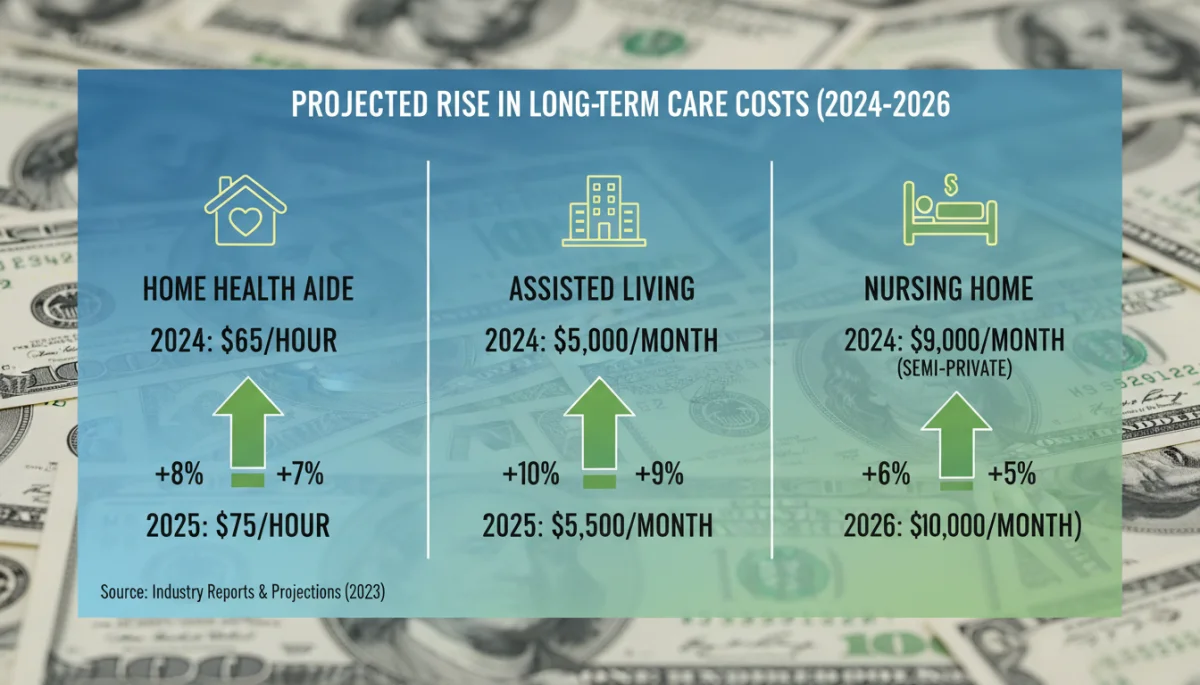
Average Annual Costs by Care Type
The cost of long-term care varies significantly depending on the type of service required and the geographic location. For 2026, it’s essential to consider the average annual costs for common care settings to accurately estimate potential expenses.
- Home Health Aide: Projected to exceed $65,000 annually, offering personal care and assistance with daily living activities in the comfort of one’s home.
- Assisted Living Facility: Expected to approach $60,000 per year, providing housing, personal care, and some medical services in a community setting.
- Nursing Home (Private Room): Forecasted to surpass $120,000 annually, offering 24-hour skilled nursing care and supervision.
These figures represent national averages, and actual costs can be considerably higher in metropolitan areas or regions with a higher cost of living. It’s vital to research local costs to get a more precise estimate for your specific area.
Factors Driving Cost Increases
Several underlying factors contribute to the consistent escalation of long-term care costs. Understanding these drivers can help in anticipating future expenses and planning accordingly.
One primary factor is the increasing demand driven by the aging population. As more people require care, the supply of qualified caregivers and available facilities becomes strained, naturally leading to higher prices. Additionally, inflation impacts everything from facility maintenance to food services, further pushing up operational costs.
Labor costs are another significant component. The demand for skilled nurses, certified nursing assistants, and home health aides is high, and competitive wages are necessary to attract and retain these professionals. Regulatory compliance and the increasing complexity of medical care also add to the overall expenses.
In conclusion, the projected long-term care costs for 2026 underscore the urgent need for comprehensive financial planning. By understanding the average expenses and the factors driving their increase, individuals can better prepare for the financial realities of future care.
Strategic Financial Planning for Long-Term Care
Effective financial planning is the cornerstone of successful long-term care preparation. Given the escalating costs and the limitations of traditional insurance, a multi-faceted approach is often necessary. This involves exploring various funding mechanisms and creating a strategy that aligns with your financial situation and future care preferences.
Proactive planning not only safeguards your assets but also provides peace of mind, knowing that your care needs will be met without unduly burdening your loved ones. The earlier you begin, the more options you will have at your disposal.
Long-Term Care Insurance
Long-term care insurance (LTCI) is a dedicated product designed to cover the costs of services not typically paid for by health insurance or Medicare. These policies can be a critical component of a comprehensive plan, offering protection against the high costs of extended care.
When considering LTCI, it’s important to evaluate policy features such as daily benefit amounts, elimination periods, benefit periods, and inflation protection. Premiums can vary based on age, health, and the level of coverage chosen. Purchasing a policy at a younger age, when healthier, often results in lower premiums.
Hybrid policies, which combine life insurance or annuities with long-term care benefits, are also gaining popularity. These offer a death benefit if long-term care is not needed, providing a more flexible solution for some individuals.
Self-Funding and Investment Strategies
For those with substantial assets, self-funding long-term care costs through strategic investments can be a viable option. This involves setting aside a dedicated portion of your savings or investment portfolio specifically for potential care expenses.
- Diversified Investment Portfolio: Investing in a mix of stocks, bonds, and other assets can help grow funds earmarked for long-term care.
- Health Savings Accounts (HSAs): HSAs offer a triple tax advantage – tax-deductible contributions, tax-free growth, and tax-free withdrawals for qualified medical expenses, including some long-term care services and insurance premiums.
- Annuities: Certain types of annuities can be structured to provide a guaranteed income stream, which can be used to cover long-term care costs.
Working with a financial advisor specializing in retirement and long-term care planning can help you develop an investment strategy tailored to your risk tolerance and financial goals, ensuring sufficient funds are available when needed.
In conclusion, strategic financial planning for long-term care requires a thoughtful combination of insurance, dedicated savings, and smart investment strategies. By exploring these avenues, you can build a robust financial foundation to support your future care needs.
Leveraging Government Programs and Resources
Beyond federal incentives and personal financial planning, various government programs and resources exist to assist with long-term care costs. Understanding eligibility requirements and the scope of these programs is essential for maximizing available support and navigating the complex landscape of elder care funding.
These programs serve as a safety net for many, providing crucial assistance when private funds are insufficient or when specific care needs align with program offerings. It’s important to research and apply for these resources proactively.
Medicaid for Long-Term Care
Medicaid is a joint federal and state program that provides healthcare coverage to low-income individuals and families. For long-term care, Medicaid is often the primary payer for nursing home care and, increasingly, for home and community-based services (HCBS) for those who meet stringent financial and medical eligibility criteria.
Eligibility rules for Medicaid can be complex and vary by state, often involving income and asset limits. Many individuals engage in “Medicaid planning” to structure their assets in a way that allows them to qualify for benefits, typically several years in advance of needing care. This often involves consulting with an elder law attorney.
Veterans Affairs (VA) Benefits
For eligible veterans and their surviving spouses, the Department of Veterans Affairs (VA) offers a range of benefits that can help cover long-term care costs. These include the Aid and Attendance benefit, which provides additional monetary assistance to veterans and their spouses who require the aid of another person for daily activities.
- Aid and Attendance: A pension benefit for wartime veterans and their surviving spouses who meet certain income, asset, and medical requirements.
- VA Community Living Centers: VA-run nursing homes and assisted living facilities provide care for eligible veterans.
- Home-Based Primary Care: Services that bring healthcare professionals to the veteran’s home.
These VA benefits can significantly reduce the financial burden of long-term care for those who have served their country. It is crucial for veterans and their families to explore these options thoroughly and understand the application process.
In conclusion, government programs like Medicaid and VA benefits are vital resources for long-term care funding. Understanding their eligibility requirements and application processes can unlock significant financial assistance, complementing personal savings and insurance.
The Role of Legal Documents in Long-Term Care Planning
Beyond financial strategies, establishing appropriate legal documents is a critical, yet often overlooked, aspect of long-term care planning. These documents ensure that your wishes are honored, and that trusted individuals can make decisions on your behalf should you become incapacitated.
Without these legal safeguards, families can face significant challenges, including disputes, delays in accessing care, and the potential for court intervention. Proactive legal planning provides clarity and control over your future care.
Powers of Attorney and Healthcare Directives
Two of the most fundamental legal documents for long-term care planning are powers of attorney and healthcare directives. These empower designated individuals to act on your behalf when you are no longer able to make decisions for yourself.
- Durable Power of Attorney for Finances: Grants a trusted agent the authority to manage your financial affairs, including paying bills, managing investments, and accessing funds to pay for care.
- DDurable Power of Attorney for Healthcare (Healthcare Proxy/Medical Power of Attorney): Appoints an agent to make medical decisions for you if you cannot, ensuring your healthcare wishes are respected.
- Living Will: A type of advance directive that specifies your wishes regarding medical treatments at the end of life, such as life support or artificial nutrition.
These documents are essential for ensuring that your financial and medical decisions are handled according to your preferences, avoiding potential legal complications and family disagreements during a difficult time. It is important to review and update these documents periodically.
Trusts and Estate Planning
For some individuals, establishing various types of trusts can be an effective strategy for long-term care planning, particularly in conjunction with estate planning goals. Trusts can help protect assets, manage wealth, and facilitate eligibility for government programs like Medicaid.
Irrevocable trusts, for instance, can remove assets from your ownership, which may help you qualify for Medicaid benefits after a look-back period. However, these trusts are complex and require careful consideration and the guidance of an experienced elder law attorney.
Estate planning, in general, should integrate long-term care considerations. This ensures that your assets are protected and distributed according to your wishes, while also accounting for potential care costs during your lifetime. A well-constructed estate plan provides comprehensive security.
In conclusion, robust long-term care planning is incomplete without the proper legal documents in place. Powers of attorney, healthcare directives, and strategic use of trusts are vital tools for ensuring your autonomy and protecting your interests as you age.
Practical Steps for Starting Your Long-Term Care Plan
Embarking on long-term care planning can seem daunting, but breaking it down into practical, actionable steps makes the process manageable and effective. The key is to start early, gather information, and engage with professionals who can guide you through the complexities.
Proactive engagement ensures that you have ample time to explore all options, make informed decisions, and adjust your plan as circumstances evolve. Delaying this critical planning can limit your choices and increase financial stress.
Assessing Your Needs and Preferences
The first step in developing a long-term care plan is to honestly assess your potential future needs and personal preferences. This involves considering your current health, family history, and desired lifestyle as you age.
- Health Status: Evaluate your current health conditions and any family history of chronic illnesses that might increase your likelihood of needing care.
- Lifestyle Preferences: Consider where you would prefer to receive care (e.g., at home, in an assisted living facility, or a nursing home) and the type of services you would value most.
- Family Support: Assess the availability and willingness of family members to provide informal care, and discuss their capacity to do so.
This self-assessment provides a foundation for the entire planning process, helping you to define what aspects of long-term care are most important to you and your family.
Consulting with Professionals
Navigating the intricacies of long-term care planning often requires the expertise of various professionals. Engaging with these experts can provide invaluable guidance and ensure that your plan is comprehensive and legally sound.
Financial advisors specializing in elder care can help you analyze your financial situation, project future costs, and recommend appropriate funding strategies, such as long-term care insurance or investment plans. They can also help you understand the tax implications of different approaches.
Elder law attorneys are crucial for drafting necessary legal documents, including powers of attorney, healthcare directives, and trusts. They can also provide guidance on Medicaid planning and asset protection strategies, ensuring your plan complies with state and federal laws.
In conclusion, starting your long-term care plan involves a thoughtful assessment of your personal needs and preferences, followed by strategic consultation with financial advisors and elder law attorneys. Taking these practical steps will lead to a well-structured and effective plan for your future care.
| Key Point | Brief Description |
|---|---|
| Rising Costs | Projected increases in long-term care expenses for 2026 across home care, assisted living, and nursing facilities. |
| Federal Incentives | Potential tax credits, deductions, and policy adjustments aimed at making long-term care more accessible and affordable. |
| Financial Strategies | Utilizing long-term care insurance, self-funding, HSAs, and annuities to cover future care expenses. |
| Legal Preparation | Establishing powers of attorney, healthcare directives, and trusts to ensure wishes are followed. |
Frequently Asked Questions About Long-Term Care Planning
Long-term care planning involves preparing for future care needs, which could include assistance with daily activities due to chronic illness, disability, or aging. It’s crucial for 2026 due to rising costs, evolving federal incentives, and an aging population, requiring proactive financial and legal strategies to secure quality care.
Generally, Medicare does not cover most long-term care costs, such as extended stays in nursing homes or ongoing personal care at home. It primarily covers skilled nursing care for short periods, post-hospitalization. Individuals typically need private insurance, personal savings, or Medicaid for comprehensive long-term care coverage.
While specific legislation is always subject to change, 2026 may see enhanced tax credits for long-term care insurance premiums, expanded caregiver tax credits, or adjustments to medical expense deductions. Policy discussions also include streamlining Medicaid and expanding home and community-based services to improve accessibility.
Projected costs for 2026 vary significantly by care type and location. A home health aide could exceed $65,000 annually, assisted living facilities might approach $60,000, and a private room in a nursing home could surpass $120,000 per year. These are national averages, and local costs can differ.
Key legal documents include a Durable Power of Attorney for Finances, a Durable Power of Attorney for Healthcare (or Healthcare Proxy), and a Living Will. These ensure your financial and medical wishes are respected if you become incapacitated. Trusts can also be vital for asset protection and Medicaid planning.
Securing Your Future: A Proactive Approach to Long-Term Care
In conclusion, long-term care planning for 2026 is an indispensable component of comprehensive financial and personal preparedness. The confluence of rising costs, an aging demographic, and evolving federal incentives necessitates a proactive and informed approach. By understanding the projected expenses, exploring available financial instruments like long-term care insurance and strategic investments, and leveraging government programs such as Medicaid and VA benefits, individuals can build a robust framework to support their future care needs. Furthermore, establishing essential legal documents ensures that personal preferences are honored and assets are protected. Engaging with financial advisors and elder law attorneys early in the process is not merely a recommendation; it’s a critical step toward achieving peace of mind and securing the quality of life you desire as you age.