Maximize Medicare Benefits 2026: 5 Steps to Enhanced Coverage

Unlocking Enhanced Medicare Benefits for 2026: A 5-Step Guide to Maximizing Your Coverage offers practical solutions for beneficiaries to optimize their healthcare plans.
Navigating the complexities of healthcare can be daunting, especially when it comes to Medicare. For those aiming to secure the best possible health coverage, understanding how to maximize your benefits is crucial. This guide provides a clear, actionable approach to Unlocking Enhanced Medicare Benefits for 2026: A 5-Step Guide to Maximizing Your Coverage (PRACTICAL SOLUTIONS), ensuring you receive the care you deserve without unnecessary financial strain.
Understanding the Medicare Landscape in 2026
The Medicare program is dynamic, with changes and updates occurring annually. Staying informed about these shifts is fundamental to making intelligent decisions about your health coverage. In 2026, several adjustments are anticipated, impacting everything from premium costs to covered services and prescription drug plans. These changes are designed to adapt to evolving healthcare needs and economic realities, making proactive engagement essential for beneficiaries.
Being aware of the general direction of Medicare policies helps individuals prepare for enrollment periods and potential plan modifications. Early knowledge allows for better planning and reduces the likelihood of surprises when it comes to healthcare expenses and access to services. This section sets the foundation for understanding why a strategic approach to Medicare is more important than ever.
Key Changes Expected in 2026
- Premium Adjustments: Medicare Part B and Part D premiums are subject to annual recalculation, influenced by healthcare costs and economic factors. Understanding these potential increases is vital for budget planning.
- Coverage Expansions: There may be expansions in covered services, particularly in areas like mental health, telehealth, and preventative care, reflecting a broader focus on holistic well-being.
- Drug Cost Reductions: Ongoing efforts to lower prescription drug costs for beneficiaries under Part D are expected to continue, potentially leading to more affordable medications.
The landscape of Medicare in 2026 is shaped by legislative actions and the continuous assessment of healthcare delivery. These elements combine to create a system that, while complex, offers significant benefits to millions of Americans. By familiarizing yourself with these foundational aspects, you are better equipped to navigate the subsequent steps in maximizing your coverage.
Remaining vigilant about these changes is not merely about compliance; it’s about empowerment. Knowing what to expect allows you to anticipate needs and make informed choices. This proactive stance ensures that your Medicare plan aligns perfectly with your individual health requirements and financial capabilities.
Step 1: Comprehensive Review of Your Current Coverage
Before making any decisions about your 2026 Medicare plan, a thorough review of your existing coverage is indispensable. Many beneficiaries simply allow their plans to auto-renew, potentially missing out on better options or incurring unnecessary costs. This step involves a deep dive into your current Medicare Part A, Part B, Part D, and any Medicare Advantage (Part C) or Medigap policies you might have.
Understanding what you currently have helps identify gaps, overlaps, or areas where your plan no longer serves your needs effectively. Healthcare requirements change over time, and a plan that was perfect last year might be suboptimal today. This review should be done well in advance of the Annual Enrollment Period (AEP) to allow ample time for research and comparison.
Analyzing Your Medical Needs and Usage
An honest assessment of your health status and anticipated medical needs for the coming year is paramount. Consider any new diagnoses, changes in prescription medications, or upcoming procedures. These factors directly influence the type of coverage that will best suit you.
- Doctor Visits: How often do you see specialists or your primary care physician?
- Prescription Drugs: Have your medications changed? Are they covered under your current Part D plan?
- Hospitalizations: Do you anticipate any inpatient stays or outpatient surgeries?
- Preventative Care: Are you utilizing all available preventative screenings and services?
By meticulously examining your medical usage over the past year and projecting future needs, you can gain clarity on whether your current plan aligns with your evolving health profile. This analytical approach minimizes the risk of choosing a plan that falls short when you need it most.
The comprehensive review also includes an examination of your out-of-pocket expenses from the previous year. This can reveal patterns in deductibles, co-payments, and prescription drug costs that might indicate a need for a different plan structure. Knowing your spending habits helps in selecting a plan that offers a better balance between premiums and cost-sharing.
Step 2: Researching and Comparing Available Plans
Once you have a clear picture of your current coverage and future healthcare needs, the next critical step is to research and compare all available Medicare plans for 2026. This involves exploring Original Medicare (Parts A and B), Medicare Advantage plans (Part C), Medicare Part D (prescription drug plans), and Medigap policies. Each option has distinct features, benefits, and costs, making thorough comparison essential.
The official Medicare website (Medicare.gov) is an invaluable resource for this process, offering tools to compare plans based on your specific zip code and health requirements. Additionally, state health insurance assistance programs (SHIPs) provide free, unbiased counseling to help beneficiaries navigate their options.
Understanding Different Medicare Options
It is important to differentiate between the various parts of Medicare and how they work together to provide comprehensive coverage. Each component plays a unique role in your overall healthcare strategy.
- Original Medicare (Parts A & B): Provides hospital and medical insurance. It’s the foundation upon which other plans build.
- Medicare Advantage (Part C): All-in-one plans offered by private companies approved by Medicare. They include Part A, Part B, and usually Part D, often with extra benefits.
- Medicare Part D: Stand-alone prescription drug plans. Essential for managing medication costs.
- Medigap (Medicare Supplement Insurance): Helps pay some of the healthcare costs that Original Medicare doesn’t cover, like co-payments, co-insurance, and deductibles.
Comparing plans involves more than just looking at premiums. You must consider deductibles, co-payments, co-insurance, out-of-pocket maximums, and the network of doctors and hospitals. For Part D plans, always check the formulary to ensure your specific medications are covered and at what cost. This detailed comparison ensures you select a plan that offers the best value and coverage for your unique situation.
Do not shy away from using multiple resources to gather information. Speaking with plan representatives, attending informational seminars, and consulting with independent insurance brokers can provide additional perspectives and insights. The goal is to accumulate enough information to make a truly informed decision, avoiding the pitfalls of rushed choices or incomplete data.
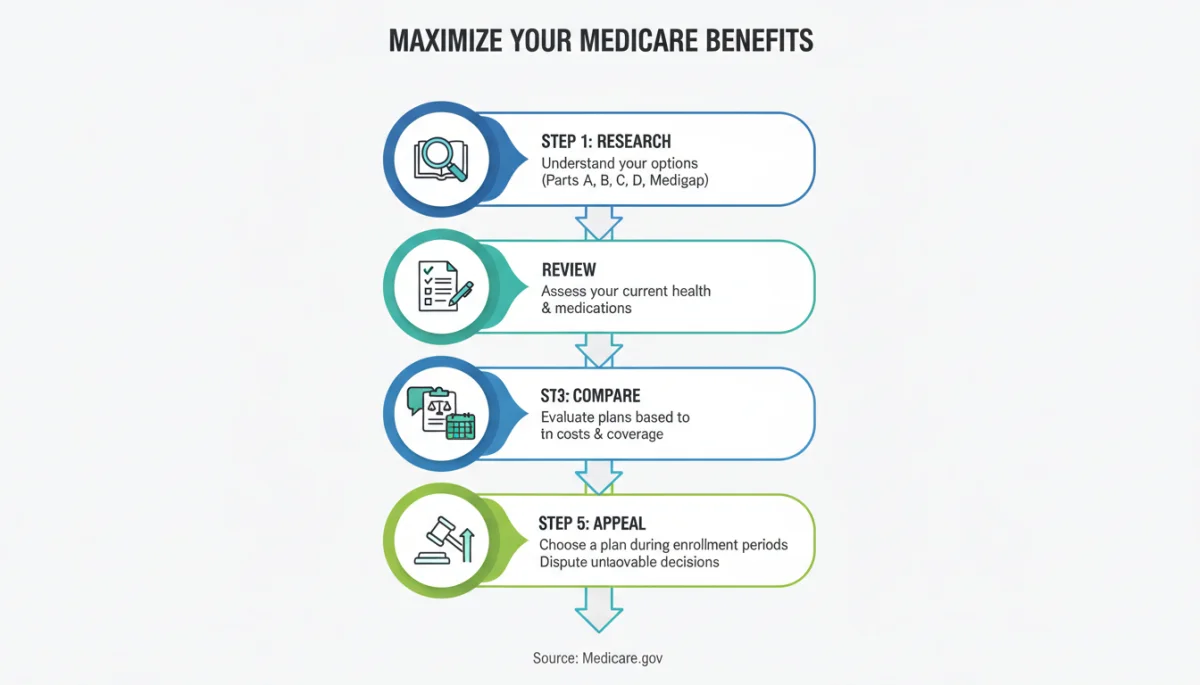
Step 3: Evaluating Network and Formulary Changes
Beyond premiums and benefits, a critical aspect of maximizing your Medicare coverage for 2026 involves scrutinizing network and formulary changes. These elements can significantly impact your access to preferred doctors, hospitals, and prescription medications. A plan might appear attractive on paper, but if your trusted physician isn’t in its network or your essential drugs aren’t covered, it could lead to unexpected costs and inconvenience.
Each year, private Medicare Advantage and Part D plans can alter their provider networks and drug formularies. What was included last year might be excluded next year. Therefore, a proactive check is non-negotiable to ensure continuity of care and predictable medication expenses.
Verifying Doctor and Hospital Networks
Before committing to a plan, always verify that your current doctors, specialists, and preferred hospitals are included in its network. Out-of-network care can be substantially more expensive, or in some cases, not covered at all, particularly with HMO-style Medicare Advantage plans. Even PPO plans, which offer more flexibility, will have higher costs for out-of-network services.
- Direct Contact: Call your healthcare providers directly to confirm their participation in the plans you are considering.
- Plan Directories: Utilize the plan’s online provider directory, but always cross-reference with direct calls, as online information can sometimes lag.
- Referral Requirements: Understand if the plan requires referrals for specialists, which can affect access to care.
Ignoring network considerations can disrupt long-standing patient-doctor relationships and force beneficiaries to seek new providers, a process that can be both stressful and time-consuming. Ensuring your providers are in-network is a cornerstone of maintaining consistent, quality care.
Equally important is a thorough review of the plan’s formulary, which is its list of covered prescription drugs. If you take multiple medications, ensure all are covered, and understand their respective tiers. Drugs in higher tiers generally have higher co-payments. Look for any changes in coverage for specific drugs, as well as any new restrictions or prior authorization requirements. This meticulous evaluation prevents surprises at the pharmacy counter and ensures your essential medications remain affordable and accessible.
Step 4: Strategic Enrollment During AEP
The Annual Enrollment Period (AEP), which typically runs from October 15th to December 7th, is your primary window to make changes to your Medicare coverage for the upcoming year. This is the time to put your research and comparisons into action by strategically enrolling in the plan that best meets your needs for 2026. Making informed decisions during AEP can significantly impact your healthcare costs and access to services throughout the year.
It’s crucial not to rush this process. Even if you’re satisfied with your current plan, reviewing your options during AEP is a smart practice. New plans emerge, existing plans change their benefits and costs, and your own health needs may have evolved. Missing this window means you might be stuck with a less-than-ideal plan until the next AEP, or only be able to make changes during specific Special Enrollment Periods.
Making Your Enrollment Decisions
Based on your comprehensive review, research, and evaluation of networks and formularies, you are now equipped to make an informed enrollment decision. This could involve switching from Original Medicare to a Medicare Advantage plan, changing Medicare Advantage plans, enrolling in a Part D plan, or switching Part D plans. You might also decide to enroll in or change a Medigap policy, though Medigap enrollment rules can be more complex outside of your initial enrollment period.
- Online Enrollment: Many plans offer online enrollment through their websites or Medicare.gov, which can be convenient and efficient.
- Paper Applications: You can also request paper applications directly from the plan or through Medicare.gov.
- Agent Assistance: Licensed insurance agents can assist with the enrollment process, providing guidance and ensuring all paperwork is correctly submitted.
Remember that when you enroll in a new Medicare Advantage or Part D plan during AEP, your old plan will automatically be disenrolled once your new coverage begins on January 1st. There’s no need to contact your previous plan to cancel. However, if you are dropping a Medigap policy, you will need to contact your Medigap insurer directly. Taking these steps ensures a smooth transition to your new, optimized coverage for 2026.
It’s vital to double-check all information before submitting your enrollment. Errors can cause delays or issues with your coverage. Pay close attention to effective dates, plan names, and personal details. A careful and strategic enrollment during AEP is the culmination of your efforts to secure enhanced Medicare benefits.
Step 5: Understanding and Utilizing Appeal Rights
Even with meticulous planning, situations may arise where a Medicare plan denies coverage for a service, prescription, or item you believe should be covered. In such instances, understanding and utilizing your appeal rights is a crucial component of truly maximizing your Medicare benefits. Denials are not always final, and the appeal process is designed to give beneficiaries a fair chance to have their cases reviewed.
Navigating the appeals process can seem intimidating, but resources are available to assist you. Knowing the steps involved and your rights can empower you to challenge unfavorable decisions and potentially secure the coverage you need. This step is about ensuring that your chosen plan delivers on its promises and that you receive all the benefits you are entitled to.
The Medicare Appeals Process
The appeals process generally involves several levels, starting with an initial reconsideration by the plan and escalating to independent reviews if necessary. It’s important to act promptly, as there are usually strict deadlines for filing appeals.
- Initial Denial: Your plan sends you a written notice explaining why coverage was denied and how to appeal.
- First Level Appeal (Reconsideration): You or your doctor request your plan to reconsider its decision. Provide all relevant medical documentation.
- Second Level Appeal (Independent Review Entity – IRE): If the plan upholds its denial, you can appeal to an independent organization that reviews your case.
- Further Appeals: If necessary, you can appeal to an Administrative Law Judge (ALJ), the Medicare Appeals Council, and even federal court.
Throughout the appeals process, it is essential to keep detailed records of all communications, submission dates, and documentation. Gather all relevant medical records, doctor’s notes, and letters of medical necessity to support your case. Your doctor’s input and advocacy can be incredibly valuable during this time. Organizations like SHIPs can also offer guidance and support in preparing and filing appeals.
Never assume a denial is the final word. Many appeals are successful, especially when beneficiaries provide strong medical evidence and clearly articulate why the service or item is medically necessary. By understanding and actively exercising your appeal rights, you ensure that your Medicare coverage truly works for you, providing the enhanced benefits you sought to unlock. This proactive approach safeguards your access to essential healthcare services.
| Key Step | Brief Description |
|---|---|
| Review Current Coverage | Assess existing Medicare plans and personal healthcare needs for the upcoming year. |
| Compare Available Plans | Research and contrast Original Medicare, Advantage, Part D, and Medigap options. |
| Evaluate Networks/Formularies | Confirm doctors, hospitals, and prescription drugs are covered by prospective plans. |
| Utilize Appeal Rights | Understand and exercise the appeals process for denied coverage or services. |
Frequently asked questions about Medicare benefits in 2026
The AEP is a specific time each year, from October 15 to December 7, when Medicare beneficiaries can make changes to their health and prescription drug coverage for the following year. This is your chance to review and update your plan.
You should contact your doctors’ offices directly and ask if they accept the specific Medicare Advantage plan you are considering. Also, check the plan’s official provider directory online, but always verify with the providers themselves.
If a Part D plan doesn’t cover your drugs, you can look for another plan that does. If you are already enrolled, you can request an exception from your plan, or consider appealing the decision if an exception is denied. Consult your doctor for alternatives.
Yes, you can switch from a Medicare Advantage plan back to Original Medicare during the AEP or during the Medicare Advantage Open Enrollment Period (January 1 to March 31). You can also add a Part D plan and potentially a Medigap policy at that time.
Medigap (Medicare Supplement Insurance) helps cover out-of-pocket costs not paid by Original Medicare, such as deductibles, co-payments, and co-insurance. It provides predictability for healthcare expenses and can be crucial for those who prefer Original Medicare’s flexibility.
Conclusion
Unlocking Enhanced Medicare Benefits for 2026: A 5-Step Guide to Maximizing Your Coverage (PRACTICAL SOLUTIONS) is not just about choosing a plan; it’s about adopting a proactive, informed approach to your healthcare. By diligently reviewing your current coverage, thoroughly researching available options, evaluating network and formulary changes, strategically enrolling during the AEP, and understanding your appeal rights, you can significantly enhance your Medicare experience. These steps empower you to navigate the complexities of Medicare with confidence, ensuring you receive the comprehensive, affordable care you deserve in the coming year. Taking control of your Medicare choices is an investment in your health and financial well-being.