Social Security COLA 2026: 3.2% Increase for Retirees

The Social Security Administration is projected to announce a 3.2% Cost-of-Living Adjustment (COLA) for 2026, significantly boosting benefits for millions of retirees to combat inflation and maintain purchasing power.
The anticipated Social Security Adjustments 2026: COLA Expected to Increase by 3.2%, Benefiting Millions of Retirees, marks a crucial development for seniors and other beneficiaries across the United States. This projected rise aims to help maintain the purchasing power of benefits amidst economic changes, offering a welcome relief to those relying on Social Security for their daily expenses.
Understanding the Cost-of-Living Adjustment (COLA)
The Cost-of-Living Adjustment, or COLA, is an annual increase in Social Security and Supplemental Security Income (SSI) benefits. Its primary purpose is to offset the effects of inflation, ensuring that the purchasing power of beneficiaries’ payments does not erode over time. Without COLA, the fixed income of retirees would gradually buy less as prices for goods and services rise.
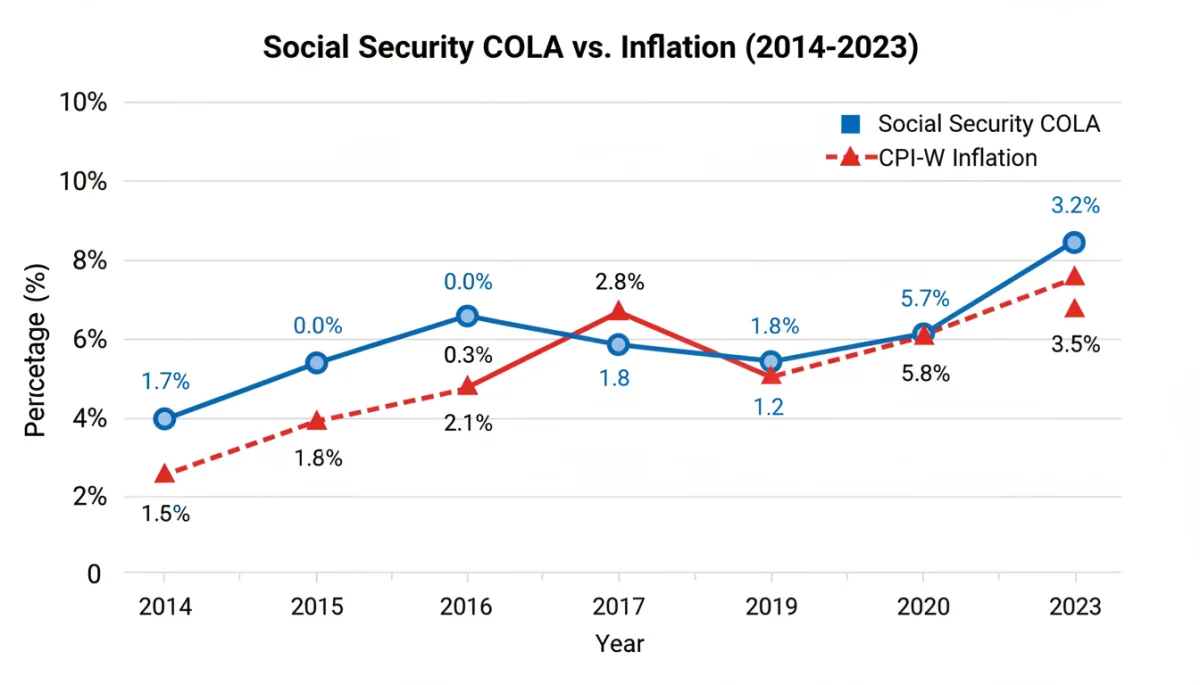
The Social Security Administration (SSA) determines the COLA based on changes in the Consumer Price Index for Urban Wage Earners and Clerical Workers (CPI-W). This specific index measures the average change over time in the prices paid by urban consumers for a market basket of consumer goods and services. The calculation typically compares the CPI-W from the third quarter of the current year to the third quarter of the previous year.
How COLA is Calculated
The COLA calculation involves a straightforward comparison of inflation data. If the CPI-W increases from one year to the next, a COLA is applied. If there is no increase or a decrease, there is no COLA, though benefits do not decrease. This mechanism provides a vital safeguard for the financial well-being of millions.
- CPI-W Data: The official measure used by the SSA.
- Third Quarter Comparison: Data from July, August, and September are averaged.
- No Negative Adjustments: Benefits never go down due to COLA.
The goal of COLA is to ensure that Social Security benefits retain their real value, allowing beneficiaries to keep up with the rising cost of living. This adjustment is not an increase in wealth but rather a preservation of existing purchasing power, a critical distinction for financial planning.
The Anticipated 3.2% COLA for 2026
Projections for 2026 indicate a significant 3.2% COLA increase, a figure that is drawing considerable attention from current and future Social Security beneficiaries. This anticipated adjustment reflects ongoing inflationary pressures within the economy, signaling the need for substantial benefit enhancements to support retirees.
This 3.2% projection is based on economic forecasts and preliminary CPI-W data. While not yet finalized, such estimates provide valuable insight for individuals planning their finances and for policymakers assessing the broader economic landscape. A 3.2% increase translates to a noticeable boost in monthly payments for millions of Americans.
Impact on Average Beneficiaries
For an average retiree currently receiving, for example, $1,800 per month, a 3.2% COLA would add approximately $57.60 to their monthly check. While this might seem modest to some, for many who live on fixed incomes, this additional amount can make a significant difference in covering essential expenses like groceries, utilities, and healthcare.
- Increased Purchasing Power: Helps combat the rising cost of everyday goods.
- Financial Stability: Offers a degree of predictability in budgeting.
- Healthcare Costs: Can help offset increasing medical expenses.
The consistent application of COLA, even during periods of lower inflation, underscores the commitment to protecting the financial security of Social Security recipients. The 3.2% projected increase for 2026 is a strong indicator of the current economic environment and the necessary measures being taken to safeguard retiree welfare.
Factors Driving the 2026 COLA Projection
Several key economic factors contribute to the projected 3.2% COLA for 2026. Understanding these drivers provides a clearer picture of why such an adjustment is deemed necessary and how it aligns with broader economic trends. Inflation, particularly concerning essential goods and services, remains the primary influence.
The Consumer Price Index for Urban Wage Earners and Clerical Workers (CPI-W) is the official metric, and its movements are closely tied to the prices of energy, food, and housing. Fluctuations in these sectors have a direct and substantial impact on the COLA calculation, making them critical areas to monitor for accurate predictions.
Inflationary Pressures
Persistent inflation has been a defining characteristic of recent economic periods. Supply chain disruptions, increased consumer demand, and geopolitical events have all played a role in pushing prices upward. These pressures are expected to continue into 2026, necessitating a robust COLA to prevent a decline in beneficiaries’ real income.
- Energy Costs: Volatility in oil and gas prices directly affects transportation and utility bills.
- Food Prices: Agricultural market shifts and production costs impact grocery expenses.
- Housing Market: Rising rents and homeownership costs significantly affect household budgets.
Beyond these immediate factors, wage growth and employment levels can also indirectly influence inflationary trends and, consequently, COLA calculations. A strong labor market often leads to higher consumer spending, which can contribute to price increases. The projected 3.2% COLA for 2026 reflects a comprehensive assessment of these interconnected economic forces.
Who Benefits from the 2026 Social Security Adjustments?
The Social Security Adjustments 2026: COLA Expected to Increase by 3.2%, Benefiting Millions of Retirees, extends its reach far beyond just retirees. While seniors constitute the largest group, various other categories of beneficiaries will also see their payments increase, providing crucial support to diverse segments of the population.
This broad impact underscores the fundamental role Social Security plays as a safety net for millions of Americans. Understanding who benefits helps illustrate the extensive reach and importance of these annual adjustments in maintaining financial stability for vulnerable populations.
Key Beneficiary Groups
The COLA applies to all individuals receiving Social Security benefits, regardless of their specific program. This includes:
- Retired Workers: The largest group, receiving benefits based on their work history.
- Spouses and Dependents: Family members of retired, disabled, or deceased workers.
- Survivors: Widows, widowers, and children of deceased workers.
- Disabled Workers: Individuals receiving Social Security Disability Insurance (SSDI).
- SSI Recipients: Those receiving Supplemental Security Income, a needs-based program.
Each of these groups relies on Social Security benefits for varying degrees of financial support, from supplementing retirement income to providing a primary source of funds for those unable to work. The 3.2% COLA for 2026 will ensure that these diverse beneficiaries can better manage their expenses in an evolving economic climate, reinforcing the program’s commitment to social welfare.
Planning for the 2026 COLA: What Retirees Should Consider
While the anticipated 3.2% COLA for 2026 is certainly good news, retirees should proactively consider how this adjustment fits into their broader financial planning. A higher benefit payment can offer more flexibility, but it’s essential to understand its implications for budgeting, taxes, and other income sources.
Effective financial planning involves looking beyond just the COLA increase itself and considering the overall financial picture. This includes understanding potential impacts on Medicare premiums, income taxes, and how the adjustment might affect eligibility for other assistance programs.
Navigating Financial Implications
Retirees should review their budgets to accommodate the increased income, ensuring they maximize the benefit of the COLA. It’s also a good time to reassess other financial components:
- Medicare Premiums: Historically, Medicare Part B premiums are often deducted directly from Social Security benefits. While the COLA increases benefits, any rise in Medicare premiums could offset some of that gain.
- Income Tax Thresholds: A higher Social Security benefit might push some retirees into a higher income bracket, potentially making a larger portion of their benefits taxable.
- Other Benefits: For those receiving other means-tested government benefits, an increase in Social Security income could, in rare cases, affect eligibility or benefit amounts for those programs.
Consulting with a financial advisor can provide personalized guidance on how the 2026 COLA will specifically impact individual financial situations. This proactive approach ensures that retirees are well-prepared to leverage the adjustment effectively and maintain their financial security.
The Long-Term Outlook for Social Security and COLA
The Social Security Adjustments 2026: COLA Expected to Increase by 3.2%, Benefiting Millions of Retirees, is a positive development, but it also prompts a look at the long-term sustainability of the Social Security program and the future of COLA. Understanding these broader trends is vital for both current and future beneficiaries.
The Social Security program faces ongoing challenges related to demographics, including an aging population and lower birth rates, which can put pressure on the trust funds. While COLA addresses immediate purchasing power, the long-term health of the system is a separate, complex issue that policymakers continually debate.
Future Projections and Reforms
Projections from the Social Security Administration’s Trustees’ Report often highlight the need for potential reforms to ensure the program’s solvency in the coming decades. These reforms could include adjustments to the full retirement age, changes in the payroll tax rate, or modifications to benefit formulas.
- Demographic Shifts: Fewer workers supporting more retirees.
- Trust Fund Solvency: Ensuring funds are available for future generations.
- Potential Legislative Changes: Ongoing discussions about program modifications.
Despite these long-term concerns, the commitment to providing annual COLA adjustments remains strong, reflecting the program’s dedication to protecting beneficiaries from inflation. The 2026 COLA is a testament to this commitment, even as broader discussions about Social Security’s future continue to evolve. Beneficiaries should stay informed about these discussions, as they could shape the future landscape of their benefits.
| Key Point | Brief Description |
|---|---|
| 2026 COLA Projection | Social Security benefits are expected to increase by 3.2% in 2026. |
| Purpose of COLA | To help Social Security and SSI beneficiaries maintain purchasing power against inflation. |
| Beneficiary Impact | Millions of retirees, disabled workers, and survivors will receive increased payments. |
| Key Driving Factor | Calculated based on the Consumer Price Index for Urban Wage Earners and Clerical Workers (CPI-W). |
Frequently Asked Questions About 2026 COLA
The projected Cost-of-Living Adjustment (COLA) for Social Security in 2026 is 3.2%. This adjustment aims to help beneficiaries keep pace with inflation and maintain their purchasing power for essential goods and services.
The 2026 COLA will benefit all Social Security recipients, including retired workers, their spouses and dependents, survivors, and disabled workers. Supplemental Security Income (SSI) beneficiaries will also see an increase in their payments.
COLA is calculated based on the Consumer Price Index for Urban Wage Earners and Clerical Workers (CPI-W). The Social Security Administration compares the average CPI-W from the third quarter of the current year to the third quarter of the previous year.
The official COLA announcement typically occurs in October of the preceding year. So, the 2026 COLA will likely be officially announced in October 2025, after the final third-quarter CPI-W data is available.
While COLA increases your Social Security benefits, Medicare Part B premiums are often deducted directly from these benefits. Any increase in Medicare premiums could potentially offset a portion of your COLA increase, so it’s important to monitor both.
Conclusion
The projected 3.2% Social Security Adjustments 2026: COLA Expected to Increase by 3.2%, Benefiting Millions of Retirees, represents a vital step in ensuring the financial well-being of millions of Americans. This adjustment, driven by ongoing inflationary trends, underscores the critical role Social Security plays in providing a stable income for retirees, disabled workers, and survivors. While the increase offers welcome relief and helps preserve purchasing power, beneficiaries are encouraged to integrate this change into their broader financial planning, considering potential impacts on taxes and other benefits. Staying informed about these adjustments and the long-term outlook of the Social Security program remains essential for secure financial futures.