2026 Social Security Changes: 3.2% COLA Benefits Update

Understanding the projected 3.2% Cost-of-Living Adjustment (COLA) for 2026 Social Security benefits is crucial for beneficiaries to plan their finances effectively and adapt to upcoming changes.
As we approach 2026, many Americans are keenly anticipating the impact of the latest Cost-of-Living Adjustment (COLA) on their Social Security benefits. For those relying on these vital payments, understanding the projected 3.2% COLA and its implications is essential for financial planning and peace of mind. Let’s dive into what these 2026 Social Security Changes mean for you.
Understanding the 2026 COLA: The Basics
The Cost-of-Living Adjustment, or COLA, is a critical mechanism designed to help Social Security and Supplemental Security Income (SSI) benefits keep pace with inflation. Without COLA, the purchasing power of these benefits would erode over time, making it harder for retirees, disabled individuals, and survivors to cover their essential expenses. Each year, the Social Security Administration (SSA) announces the COLA based on changes in the Consumer Price Index for Urban Wage Earners and Clerical Workers (CPI-W).
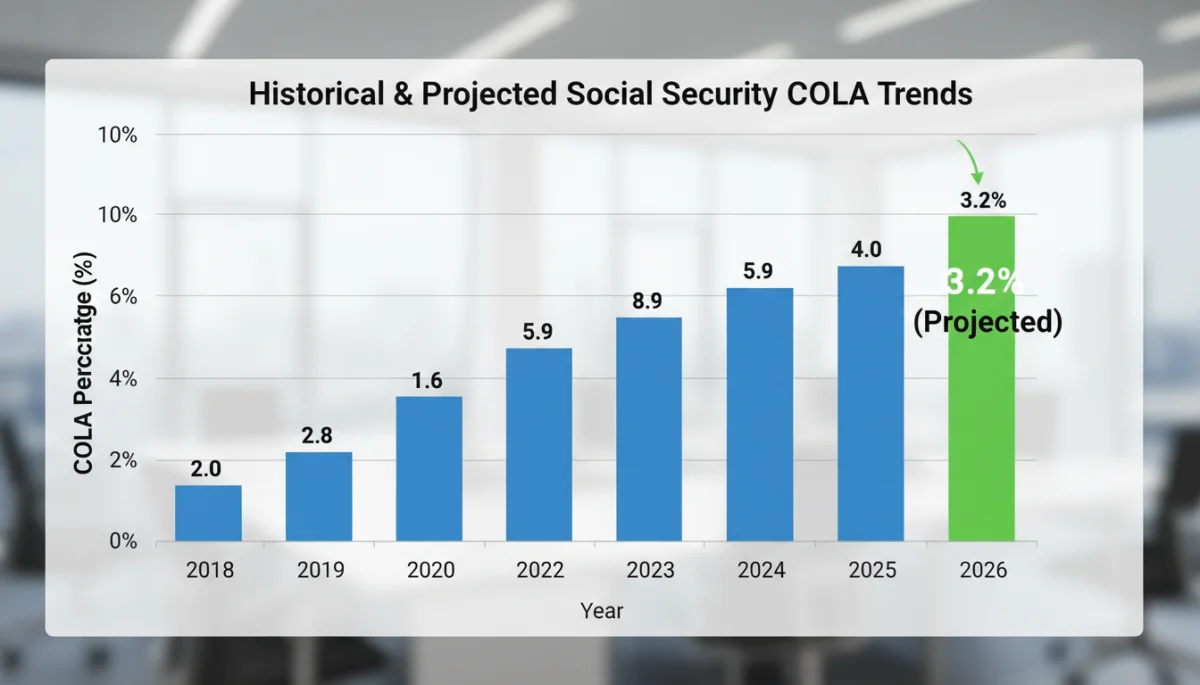
For 2026, the projected 3.2% COLA is a significant figure that will directly influence the monthly payments received by millions. This adjustment reflects the economic realities of the preceding year, particularly the shifts in consumer prices for goods and services. While the exact percentage is finalized later in the year, projections provide a crucial early indicator for beneficiaries to start their financial assessments.
How COLA is Calculated
The COLA calculation is not arbitrary; it follows a specific formula mandated by law. The SSA compares the average CPI-W for the third quarter (July, August, and September) of the current year with the average for the third quarter of the last year a COLA was payable. If there is an increase, the percentage difference, rounded to the nearest tenth of a percent, becomes the COLA for the following year. This method ensures that benefit increases are directly tied to inflationary pressures experienced by American consumers.
- CPI-W Data: The primary driver for COLA, reflecting price changes for urban wage earners.
- Third Quarter Comparison: July, August, and September data are crucial for the calculation.
- Inflationary Protection: COLA aims to preserve the purchasing power of benefits against rising costs.
Understanding the foundation of COLA helps beneficiaries appreciate why their payments change and how these adjustments are intended to support their financial stability. The 3.2% projection for 2026 indicates a continued effort to mitigate the effects of inflation, allowing beneficiaries to maintain their standard of living amidst economic fluctuations.
Impact of a 3.2% COLA on Your Benefits
A 3.2% COLA for 2026 signifies an increase in monthly Social Security payments for all beneficiaries. While the percentage might seem modest to some, its cumulative effect over a year can be substantial, especially for those with higher initial benefit amounts. This adjustment helps offset the rising costs of everyday necessities such as groceries, utilities, and healthcare, which can significantly impact fixed incomes.
Consider an individual receiving an average Social Security retirement benefit. A 3.2% increase would translate into a tangible boost in their monthly income, providing a bit more breathing room in their budget. For example, if your current monthly benefit is $1,700, a 3.2% COLA would add approximately $54.40 to your payment, bringing it to $1,754.40 per month. This extra income can be critical for covering unexpected expenses or simply enjoying a better quality of life.
Personalized Benefit Adjustments
The exact dollar increase will vary for each individual, as it is based on their specific benefit amount. Higher earners or those who claimed benefits later will see a larger dollar increase, while those with lower benefits will experience a smaller, though still meaningful, bump. It is important for beneficiaries to review their annual statements from the SSA, typically mailed out in December, which will detail their new benefit amount for the upcoming year.
- Direct Increase: All Social Security beneficiaries will see their payments rise.
- Varying Dollar Amounts: Increases are proportional to current benefit levels.
- Budgetary Relief: Helps cover rising living expenses for those on fixed incomes.
The 3.2% COLA is designed to be a broad adjustment, impacting various types of Social Security benefits, including retirement, disability, and survivor benefits. This ensures that the protective measure against inflation extends across the diverse groups of Americans who rely on these programs.
Anticipated Economic Landscape for 2026
The projected 3.2% COLA for 2026 is a direct reflection of the economic conditions observed in the preceding year. Understanding the broader economic landscape is crucial for contextualizing this adjustment and anticipating future trends. Factors such as inflation rates, wage growth, and energy prices all play a role in shaping the CPI-W, which in turn dictates the COLA percentage.
Economists and financial analysts constantly monitor these indicators to forecast potential changes. For 2026, the 3.2% COLA suggests a moderate but persistent inflationary environment. While not as high as some of the record-breaking COLA increases seen in previous years, it still indicates that the cost of living continues to rise, albeit at a slower pace. This moderate increase allows beneficiaries to maintain their purchasing power without experiencing the dramatic swings associated with volatile economic periods.
Key Economic Indicators Influencing COLA
Several economic indicators are particularly influential in the COLA calculation. These include the price of gasoline, food costs, housing expenses, and medical care expenditures. When these components of the CPI-W show sustained increases, a higher COLA is typically warranted. Conversely, periods of stable or declining prices might result in lower COLA percentages or even no adjustment at all, though the latter is rare.
- Inflation Trends: Ongoing monitoring of consumer price indices.
- Wage Growth: Reflects the broader economic health and consumer spending power.
- Energy Prices: Volatility in oil and gas can significantly impact CPI-W.
The economic forecast for 2026 suggests a period of continued adjustment as the economy navigates post-pandemic recovery and global economic shifts. The 3.2% COLA is a thoughtful response to these conditions, providing necessary support to beneficiaries while avoiding excessive inflationary pressures.
Strategies for Beneficiaries: Maximizing Your 2026 Benefits
While the 3.2% COLA provides a helpful boost, beneficiaries can adopt several strategies to maximize their Social Security benefits and ensure financial security in 2026. Proactive planning and informed decision-making are key to effectively managing increased payments and adapting to other potential changes.
One crucial strategy involves reviewing your overall budget. With the COLA increase, you might find a bit more flexibility in your monthly spending. This is an opportune time to reassess your expenses, identify areas for potential savings, or allocate funds towards important goals like debt reduction or building an emergency fund. Don’t let the extra money simply disappear; make it work for you.
Financial Planning and Budgeting
Beyond basic budgeting, consider exploring ways to optimize your investments or savings. Even small additional contributions can grow significantly over time. For those still working, understanding how earnings limits might interact with your new benefit amount is also vital. Exceeding these limits can temporarily reduce your benefits, so planning your income streams carefully is essential.
- Budget Review: Reassess income and expenses to utilize the COLA effectively.
- Savings and Investments: Consider allocating extra funds to secure your future.
- Earnings Limits: Be aware of how additional income can affect benefits if still working.
Furthermore, staying informed about other potential legislative changes related to Social Security is always a wise move. While the COLA is an automatic adjustment, broader reforms or policy shifts could also impact your benefits. Subscribing to SSA updates or consulting with a financial advisor can provide valuable insights and help you navigate these complexities.
Recent Updates and Legislative Considerations
Beyond the annual COLA, the Social Security system is always subject to ongoing discussions and potential legislative changes. While the 3.2% COLA for 2026 is based on current projections and established formulas, beneficiaries should also be aware of any recent updates or proposed reforms that could influence the program’s long-term stability and individual benefits.
As of recent updates, there have been no major legislative overhauls directly impacting the COLA calculation method itself. However, discussions around the solvency of the Social Security trust funds continue. These conversations often involve proposals for adjusting the retirement age, modifying the benefit formula for future retirees, or altering the taxation of benefits. While these are typically long-term considerations, they underscore the dynamic nature of Social Security planning.
Monitoring Policy Debates
Beneficiaries and future retirees should pay attention to news from Congress and the Social Security Administration. Public hearings, policy briefs, and reports from advisory boards can offer insights into potential future changes. For example, debates about using a different inflation index for COLA calculations, such as the CPI-E (Consumer Price Index for the Elderly), occasionally resurface. Such a change could lead to different COLA outcomes in the future, potentially offering a more accurate reflection of senior-specific expenses.
- Trust Fund Solvency: Ongoing discussions about the long-term financial health of Social Security.
- Proposed Reforms: Potential legislative changes to age, benefit formulas, or taxation.
- Alternative Indices: Debates over using different inflation measures like CPI-E for COLA.
Staying informed about these broader policy discussions is not just about anticipating changes; it’s also about understanding the context in which your benefits operate. While the 2026 COLA provides an immediate financial adjustment, the future of Social Security depends on continuous evaluation and adaptation.
Preparing for 2026: What to Expect Next
With the projected 3.2% COLA for 2026, beneficiaries can begin to anticipate the adjustments to their Social Security payments. However, it’s important to remember that this is a projection, and the official announcement typically comes in October of the preceding year. Once the final COLA is confirmed, the Social Security Administration will begin notifying beneficiaries of their new benefit amounts.
These notifications usually arrive in December, either by mail or through the beneficiary’s online My Social Security account. It is crucial to review these statements carefully to ensure accuracy and to understand the precise increase you will receive. The new benefit amounts will then take effect starting in January 2026, impacting the payments received throughout the year.
Key Dates and Actions
Marking these key dates on your calendar can help you stay organized and prepared. October for the official COLA announcement, and December for your personalized benefit statement. If you don’t have a My Social Security account, now is an excellent time to create one. This online portal provides secure access to your benefit information, earnings history, and other important resources, making it easier to manage your Social Security affairs.
- Official Announcement: Expect the final COLA percentage in October 2025.
- Benefit Statements: New amounts will be mailed/posted online in December 2025.
- Effective Date: Increased benefits will begin with January 2026 payments.
Preparing for 2026 also involves considering how this COLA might interact with other aspects of your financial life, such as Medicare premiums. While the COLA increases your Social Security benefit, Medicare Part B premiums are often deducted directly from these payments. Understanding this interplay is vital for a complete financial picture.
| Key Aspect | Brief Description |
|---|---|
| 2026 COLA Projection | A projected 3.2% increase in Social Security benefits for 2026, aimed at offsetting inflation. |
| COLA Calculation | Based on the Consumer Price Index for Urban Wage Earners and Clerical Workers (CPI-W) from Q3. |
| Beneficiary Impact | Increased monthly payments for retirees, disabled individuals, and survivors, proportional to current benefits. |
| Preparation Steps | Review budget, monitor official announcements, and consider impact on other financial aspects like Medicare. |
Frequently Asked Questions About 2026 Social Security Changes
A 3.2% COLA means your Social Security benefits will increase by 3.2% starting in January 2026. This adjustment is designed to help your benefits keep pace with the rising cost of living, ensuring your purchasing power is maintained against inflation.
The official Cost-of-Living Adjustment (COLA) for 2026 is typically announced by the Social Security Administration (SSA) in October of the preceding year, which would be October 2025. This timing allows for the calculation based on third-quarter inflation data.
While the COLA increases your Social Security benefits, Medicare Part B premiums are often deducted directly from these payments. Any increase in Medicare premiums for 2026 could potentially offset some of your COLA increase, so it’s important to monitor both adjustments.
Yes, the 2026 COLA will apply to all types of Social Security benefits, including retirement, disability (SSDI), and survivor benefits. This ensures that all beneficiaries receive an adjustment to help them manage inflationary pressures.
The Social Security Administration typically mails out personalized benefit statements in December, detailing your new payment amount for 2026. You can also access this information securely through your My Social Security online account on the SSA website.
Conclusion
The projected 3.2% COLA for 2026 represents a crucial adjustment for millions of Social Security beneficiaries, aiming to preserve their financial well-being against the backdrop of ongoing inflation. Understanding these changes, from the calculation methods to their direct impact on individual payments, empowers beneficiaries to plan effectively. By staying informed about official announcements, reviewing personalized statements, and adopting smart financial strategies, individuals can confidently navigate the evolving landscape of Social Security and ensure their benefits continue to support their needs in the coming year.